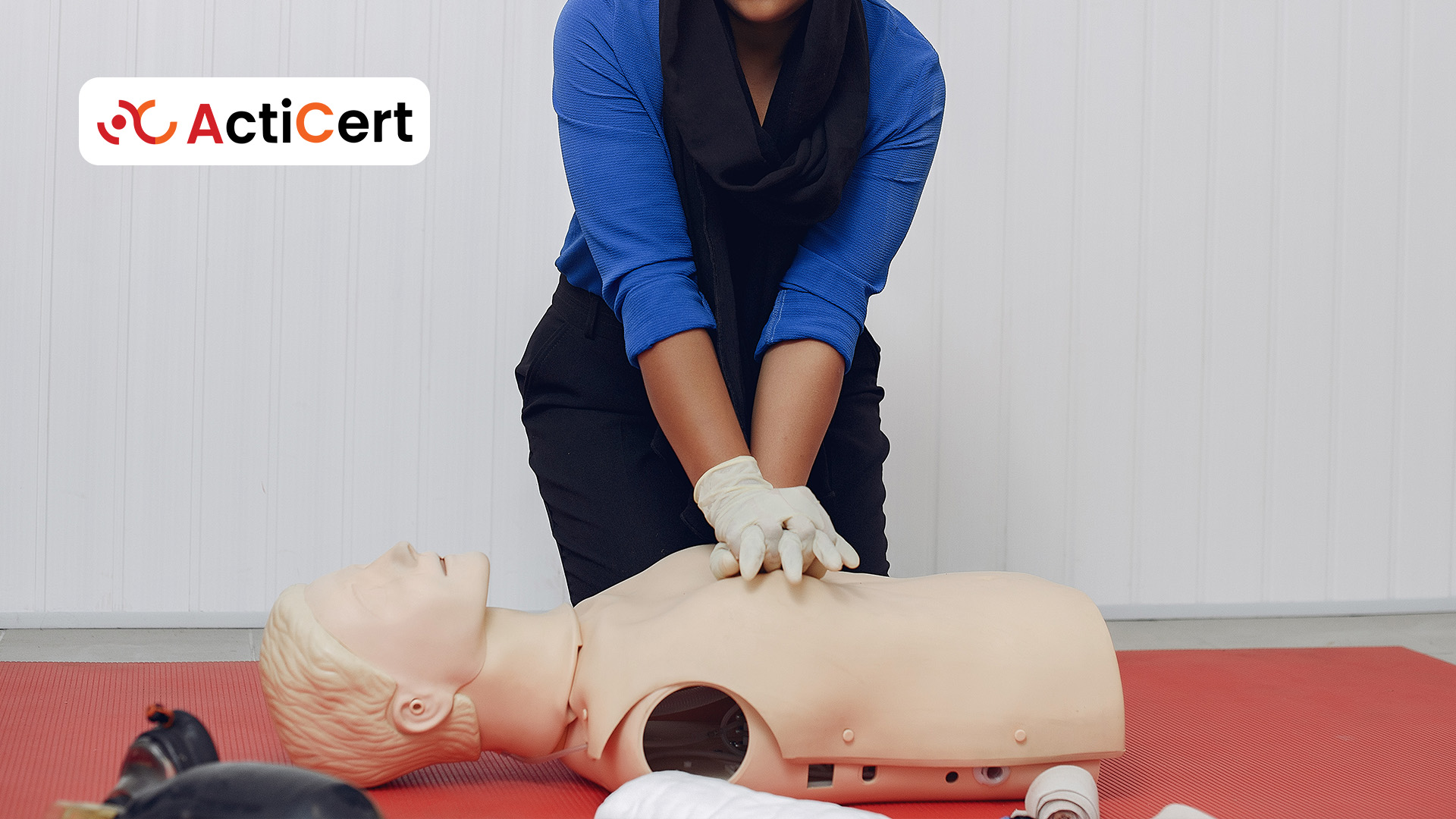
How Physical Instruction Helps Students Learn the Best First Aid Techniques
How Physical Instruction Helps Students Learn the Best First Aid Techniques
Education and pedagogical practices have really changed. There was the old teacher-centered approach where students sat at desks, paid close mind to the teacher, took instruction in rote-like fashion, and writing in notebooks for prepare upcoming exam. Now we have student-centered approaches, online, and self-paced learning plus many other options. It’s great too as students can chose what method they want to learn with.
But there are simply some things that need a teacher, physical guidance, and hands-on learning. Try learning martial arts, roofing, or set decoration from a computer interface. These and other disciplines require a teacher-and-student combination to master theory and practice in tandem. First aid certification is the same and that is why it is so much in demand.
Splints, the Heimlich, and the Shock Box
It only takes going to watch a film involving a scene of some medical practice with a nurse, surgeon, or general practitioner to learn what NOT to do. They will watch someone doing CPR on a victim not breathing and scoff at the improper methodology. They howl at emergency surgeries to save a life of a comrade in a war film. But they aren’t wrong to laugh. Entertainment is great but it is not to be imitated when a real emergency arises. Hence why hands-on first aid is so crucial.
When students take the practical part of first aid training, they must get involved. If there’s a scenario of a big cut, they need to know bandaging and splinting. If someone is choking, proper Heimlich maneuver instruction is crucial not only to save the life but to ensure the victim’s rib bones aren’t broken. While the defibrillator is now commonplace, a lot of people don’t really know how to use that shock box to proper effect.
All of these and other techniques are covered in first aid with the instructor noting proper ways to do them while some tips to do them fast yet effectively.
Quick but Engaging
One might think that this sort of learning-by-doing takes a long time. But most first aid classes last a day or two at maximum. It’s fast-paced but packed with information and with activities to get students going with each new lifesaving practice. Once it’s done, students have everything they need to deal with emergency medical situations along with ability to use all the tools of the nearest first aid kit.
You may need to get a first aid certification fast for work or life situation. If so, go to ActiCert.com/redcross/ to find the best hands-on first aid to suit your needs and achieve it fast.