How Physical Instruction Helps Students Learn the Best First Aid Techniques

How Physical Instruction Helps Students Learn the Best First Aid Techniques

Education and pedagogical practices have really changed. There was the old teacher-centered approach where students sat at desks, paid close mind to the teacher, took instruction in rote-like fashion, and writing in notebooks for prepare upcoming exam. Now we have student-centered approaches, online, and self-paced learning plus many other options. It’s great too as students can chose what method they want to learn with.

But there are simply some things that need a teacher, physical guidance, and hands-on learning. Try learning martial arts, roofing, or set decoration from a computer interface. These and other disciplines require a teacher-and-student combination to master theory and practice in tandem. First aid certification is the same and that is why it is so much in demand.

Splints, the Heimlich, and the Shock Box

It only takes going to watch a film involving a scene of some medical practice with a nurse, surgeon, or general practitioner to learn what NOT to do. They will watch someone doing CPR on a victim not breathing and scoff at the improper methodology. They howl at emergency surgeries to save a life of a comrade in a war film. But they aren’t wrong to laugh. Entertainment is great but it is not to be imitated when a real emergency arises. Hence why hands-on first aid is so crucial.

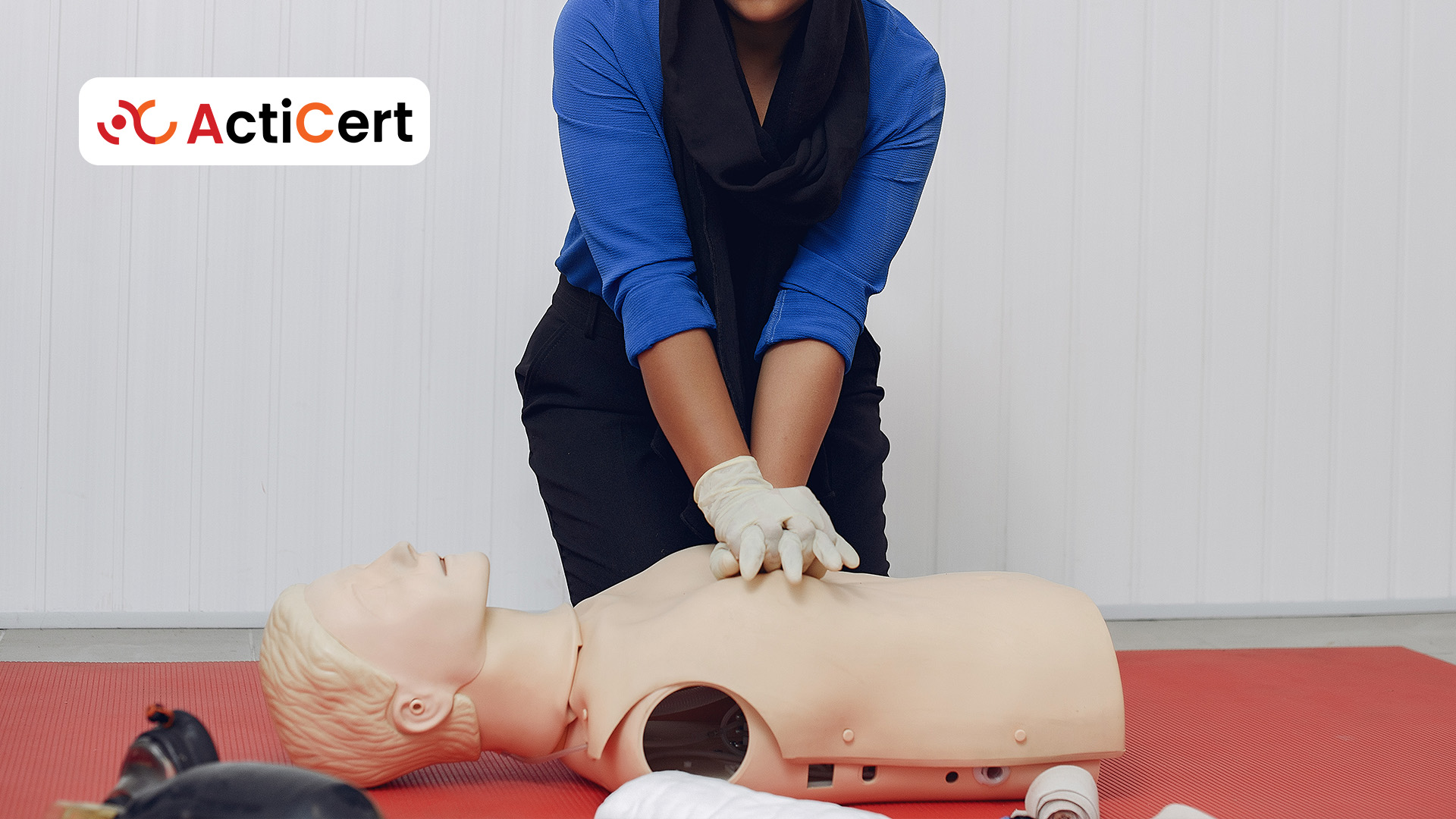
When students take the practical part of first aid training, they must get involved. If there’s a scenario of a big cut, they need to know bandaging and splinting. If someone is choking, proper Heimlich maneuver instruction is crucial not only to save the life but to ensure the victim’s rib bones aren’t broken. While the defibrillator is now commonplace, a lot of people don’t really know how to use that shock box to proper effect.

All of these and other techniques are covered in first aid with the instructor noting proper ways to do them while some tips to do them fast yet effectively.

Quick but Engaging

One might think that this sort of learning-by-doing takes a long time. But most first aid classes last a day or two at maximum. It’s fast-paced but packed with information and with activities to get students going with each new lifesaving practice. Once it’s done, students have everything they need to deal with emergency medical situations along with ability to use all the tools of the nearest first aid kit.

You may need to get a first aid certification fast for work or life situation. If so, go to ActiCert.com/redcross/ to find the best hands-on first aid to suit your needs and achieve it fast.


Food Handling Certification: How Food Science Makes Food Safety Interesting

What is Food Handling Certification?

Food Handling Certification is a recognized training program designed to educate individuals on safe food preparation, storage, and service practices. It ensures that food workers understand how to prevent foodborne illnesses by following proper hygiene, temperature control, and sanitation procedures.

Basic Explanation of Certification

This certification provides essential knowledge about food safety principles, including cross-contamination prevention, personal hygiene, safe cooking temperatures, and proper cleaning methods. It is often required by public health regulations to ensure that food is handled in a safe and responsible manner in all food service environments.

Who Needs It

Food Handling Certification is typically required for individuals working in:
*Restaurants and cafes
*Catering and banquet services
*Grocery stores and food retail environments
*Childcare and healthcare facilities
*Food trucks and mobile food services
*It is also beneficial for supervisors and business owners who are responsible for maintaining food safety *standards in their operations.

Benefits for Food Workers and Employers

For employees, certification improves job opportunities, builds confidence, and ensures they are trained in safe food practices. It also helps reduce the risk of foodborne illness outbreaks.

For employers, having certified staff helps maintain compliance with public health regulations, improves customer trust, and reduces liability risks associated with unsafe food handling practices.

How Food Science Informs Food Handling Certification in an Interesting Way

Some people loved and succeeded in secondary school science. They had an aptitude for it and grasped all the concepts of whatever physics, chemistry, or biology information were presented to them. Many went on to study more at post-secondary.

They were the lucky ones. Too often students fall by the wayside thanks to poorly written textbooks or bad science teachers, and they can be put off those subjects, often permanently.

But science can be re-imagined for new study purposes and be both interesting and affecting towards one’s life. Food handler certification is one of those practical, fun, and engaging scienced-based courses one can take that can also empower a career.

Biological Make-Up

Most of the science in food handling certification is rooted in biology with some chemistry too. Students get a chance to explore microbiology and the way tiny developments at the micro level in organism growth can lead to food-borne illnesses arising. Topics also covered are biological cross contamination, allergens, and what sort of carriers can become hazardous to introducing harmful biological agents into a food handling scenario.

Perhaps the best thing about surveying the microbiology and chemistry avenues of food handling safety is how clear it is. High school science classes can be chocked with theory overload and endless points of information needed to succeed on the tests. Food handling certification focuses on what the working food worker needs to know, sticking only to the necessary science-related aspects of a kitchen or food preparation area.

Micro to Macroscopic

Since a good food handler course shows all necessary science to food handling in a concise manner, students learn science in theory and practice. They become adept in spotting visual red flags of microscopic developments that could lead to food problems—i.e. colourations, bubbling, etc. They also have an awareness of what can happen to food if outside contaminants invade their spaces and what prevention matters can be taken.

Certified food handlers have learned about the micro-level food handling science and that can make a big impression on their employers in a “macro” way. It gives them information and technique to make them valuable in their industry.

ActiCert’s food handler certifications are on now where you can learn the science and apply it to your own career success. Go ActiCert.com to get started.

Understanding the Benefits of Food Handling Certification in Each of the Four Seasons

Understanding the Benefits of Food Handling Certification in Each of the Four Seasons

As 2026 goes on, it’s hard to escape that the winter is slowly leaving us and green grass, tree buds, and more sunshine are beckoning. Depending on where you live, this is very welcome as the winter was long and snowboard so many.

With the change of seasons there comes the foreknowledge that there is more celebration ahead. Barbecues, picnics, special events, and all kinds of summer festivities are in the pipeline for people to either organize or attend. With these events come lots of related food services. It goes without saying that food services will be in high demand from at least May until Labour Day weekend in September, if not afterward. The summer is ideal for those that wish to get established in food handling services and the opportunities for them are numerous.

Season of Sun, Fun, and Food

You might have tried to access working in food services and been turned down, whether to be a cook in a restaurant or barista at a café. These rejections happen. But once summer comes, food businesses scour their local areas for staff—they need people to come aboard to fill countless roles. It’s best for food handlers to get their certification quickly and then begin their search in earnest for whomever is hiring before summer officially begins.

There can be many options too. There are food festivals that need staff for all kinds of roles. Restaurants open their patios, and private sailing or golf clubs need food crews. In areas of summer tourism, hotels, lodges, food delivery services, and short order food establishments need to get the right people in, trained, and working quickly. The summer sunshine brings people outside, wanting to have fun and even spend a bit more money on having food served to them. That’s where you as the food handler can position yourself: as a conduit between a food service business and the customer’s plate.

No Real Off-Season

It also should be noted that after summer ends, there are still food handling roles available. True, they can be sparse in some areas, but with fall activities like Thanksgiving, Halloween, and the numerous winter events of Christmas, Chanukah, Kwanzaa, New Year’s Eve, and Valentine’s Day, there will be times where food establishments need you to work. As a certified food handler, you have that mercenary-like quality of being able to work-for-hire and, over time, become that top go-to professional no matter what time of year it is.

If the season of success is upon us, why not sign up to get your ActiCert food handler certification today? Go to ActiCert.com/food-handler-certificate/ to get your food handling career going before summer gets going. 

How Food Handler Certification Can Help Professional Food Service Aspirants Get Going

It’s not what you know, it’s who you know. That’s the adage of how to get ahead in your career. It’s pretty good advice too: there’s no substitute for networking and making contacts to help you push your career forward. But despite what some detractors might say, education is also needed. In some cases, it’s just plain necessary. It IS your leg up in getting going with your chosen career and in some ways an entry point in and of itself. Food handler certification is like that and so vital to helping food service aspirants in getting their career started properly.

Starting with a Step Up

Talk to some people that used to or currently works in the food industry, and they might tell you they started way in the back of the restaurant. In the “dish pit” as a dishwasher, mopping up, and maybe cleaning the disposal areas are and were common work entry points. There’s nothing wrong with these either—despite being somewhat unglamorous, they help one build resilience, job skillsets, and provides a beginning worker a sense of what food service is like.

True enough but let’s face it: you want to work in food handling. You’re not against hard work or cleaning, but you want to get behind the stove, ovens, and preparation tables to apply yourself fully. Having a food handler certification can put you there as a step up to get to real food work. Since you’ve got the certification, you can bypass the more rudimentary jobs in food services and begin to apply your skills faster.

Theory into Practice

Food handler certification is, in a phrase, fast but intense. You get one day to cram in nearly a dozen chapters of knowledge, complete with legal, scientific, and behavioural information, then get tested for it to get your credential. It’s a lot and for some outsiders it seems excessive.

But food handler certification is designed to give all this theoretical knowledge so you can apply what you learned in that first food handling job you get. If you’re the new hire and are tasked to stock the freezer with delivered food products, you’ll know the correct food ordering in shelves and how to space items. If you receive damaged goods, you’ll have learned what action to take. You spot a pest infestation in your restaurant. Rather that be alarmed, you’ll know what corrective action to take. That’s what’s covered in food handler certification and it’s the rarer form of education where what you practice what you studied.

ActiCert wants you to learn and practice proper food handling techniques. Come and join us for our next session by going online to ActiCert.com/food-handler-certificate. ActiCert wants to help you get going!