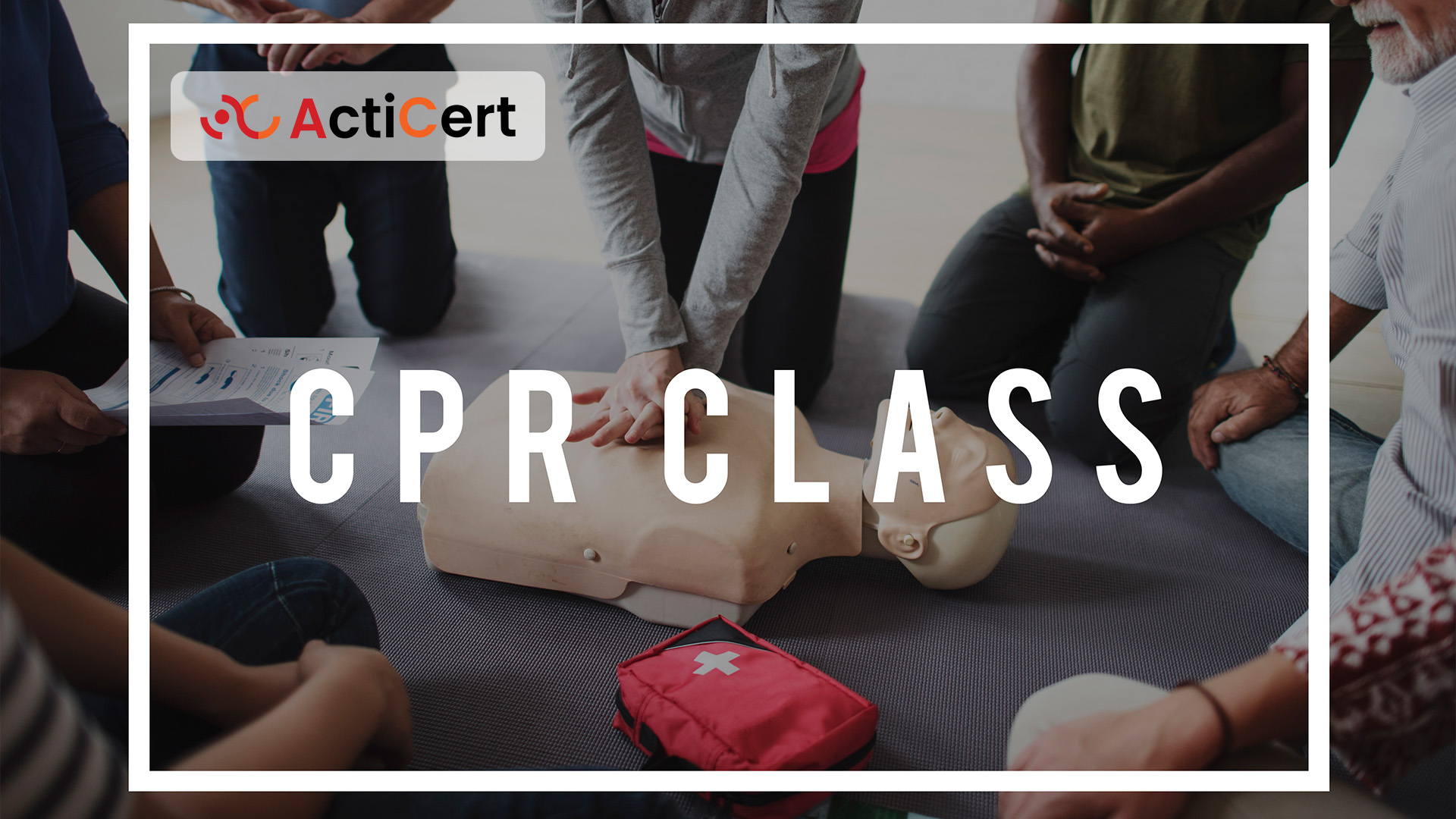
CPR CERTIFICATION – RECOGNIZE AND RESPOND TO ANGINA AND HEART ATTACKS

A CPR certification course is one of the best ways to learn about the Red Cross, responding to emergencies, taking recovery positions, checking patients, and calling for further medical help. The course is mainly dedicated to improving your knowledge about the following:

  • Choking in adults, children, and babies.
  • The art of assisting with medications.
  • Angina and heart attack.
  • Stroke.
  • Deadly bleeding.

Many young Canadians now enroll in Red Cross certifications. Must enroll in CPR certification courses. They chose this career path to master the skills required to recognize and respond to the following emergencies among adults, children, and babies:

  • Cardiopulmonary resuscitation emergencies.
  • Choking.

It entirely depends on the level of CPR chosen. The objective of this post is to tell you about the way this certification course increases your knowledge about recognizing and responding to angina and heart attacks.

What is an Angina Attack?

This medical condition is the result of narrowed-blocked coronary arteries. Lack of enough blood supply to the heart causes it. Those who experience this problem complain about the following symptoms:

  • Discomfort in the chest.
  • Heaviness in the chest.
  • Chest tightness.
  • Discomfort in arms.

The pain reaches the following organs of the patient’s body:

  • Back.
  • Shoulders.
  • Neck.
  • Jaws.
  • Arms.

These are some common symptoms of angina attack.

Types of Angina Attack:

You taught many things about angina attacks during your cardiopulmonary resuscitation certification course. The different types of angina attacks are one of those things. Mentioned below are different types of angina attacks:

  • Stable Angina-

The most common form of angina attack. Exertion is the biggest reason for it. It vanishes with the right treatment. It is predictable and hardly lasts for a couple of seconds to minutes.

  • Unstable Angina-

This is a serious medical emergency. A CPR-AED Certification holder must learn to avoid this type of angina attack. The attack lasts for about 20 minutes or more. The patient’s condition may worsen if pain occurs even with less physical effort. It becomes a heart attack under the following circumstances:

  • If blood flow does not improve.
  • If a patient’s heart does not get enough oxygen supply.

An unstable angina attack is more dangerous compared to a stable angina attack. It could be life-threatening. Therefore, a Red Cross CPR certification holder must be able to recognize it immediately to prevent the inevitable.

  • Variant Angina Attack-

Prinzmetal angina is another name of this angina attack. It does not happen due to coronary artery disease or blockage. Spasms in the heart’s arteries are responsible for it. The spasm reduces blood flow to the heart for some time. Those who face this problem complain about intolerable chest pain in cycles at rest or overnight. Angina medicine or initial treatment by an experienced Red Cross certification holder can help reduce the pain.

  • Refectory Angina Attack-

It is a chronic medical condition that occurs frequently and when blood flow to the heart reduces. It happens when the heart’s demand for oxygen exceeds its supply of blood supply. The sensation of pressure and pain in the chest are two main symptoms of it. Regular medication and lifestyle changes can help you manage the impact of a refractory angina attack. The role of an experienced cardiopulmonary resuscitation certification can be very important in this entire process.

  • Microvascular Angina-

This happens when someone experiences a lack of blood flow in one or more of the smaller blood vessels responsible for ensuring enough supply of blood constantly to your heart. Cardiac syndrome X or coronary microvascular dysfunction are two more names for microvascular angina attacks. You can include lifestyle changes instead of sparing time for a stent or heart bypass surgery.

Angina Attack Prevention

Several factors, including but not limited to poor lifestyle choices like smoking, dietary preferences, excessive weight, lack of physical activity, and low mental health and overall well-being, are some common reasons for angina attacks.

All experienced doctors and CPR certification holders advise patients to switch to a healthy lifestyle. This lifestyle change will reduce or eliminate the possibility of another angina attack that could result in a heart attack or cardiac arrest.

Certain lifestyle changes can help with reducing angina issues. One ought to…

  • Quit smoking immediately.
  • Obey your medical prescription.
  • Value healthy eating and drinking choices and practices.
  • Get rid of those extra pounds.
  • Include a lot of physical activity or exercise in your routine.

If needed, look for an experienced Red Cross CPR certification holder available at the scene to handle an emergency case.

You can enroll in a course to be capable of recognizing and handling such a medical emergency under critical circumstances.

ActiCert offers you a chance to be a Red Cross CPR certification holder. The certification will open floodgates of opportunities you need to grow on the financial and career front. The course fulfills legislation requirements for provincial/territorial worker safety and insurance boards. This continuous course includes all the latest Cardiopulmonary resuscitation guidelines and training in AED’s (Automated External Defibrillator) use.

The course is conducted in two parts mentioned below:

  • CPR-AED Levels A blended.
  • CPR-AED Levels C blended.

Level B of this Red Cross CPR certification course offers 3 hours of online learning plus 2 hours in-class to students. Those who want to know about the value Level A of this certification offers should get in touch with our support staff. The team would love to answer all your questions about it.

Level A of this Red Cross CPR certification guides about the Red Cross, the process of checking the patient, calling for medical help, and taking care of a patient under critical circumstances, the protocols related to responding to emergencies like stroke, deadly bleeding, adult choking, and angina and heart-attack, knowledge related to recovery position, and assisting with medications.

Level C of this Red Cross CPR certification guides learners about level A content, choking in children and babies, and CPR and AED for children and babies as well.

Those who enroll now will get access to participant materials like cardiopulmonary resuscitation print or e-book publications, a detailed e-guide related to first aid and CPR, CPR digital access (in blended courses only), and a digital CPR certificate issued once you complete your course successfully.

Students must be above 18 years of age to enroll in this CPR certification course. As well, students will get your certificate once you successfully demonstrate skills and critical steps learned and score over 75% marks for written knowledge evaluation.

ActiCert encourages students to explore our courses section to know more about the value this course can add to your career. Enroll quickly to grab your spot—seats are filling up. Hurry! Fill out the quick application form to register now! 
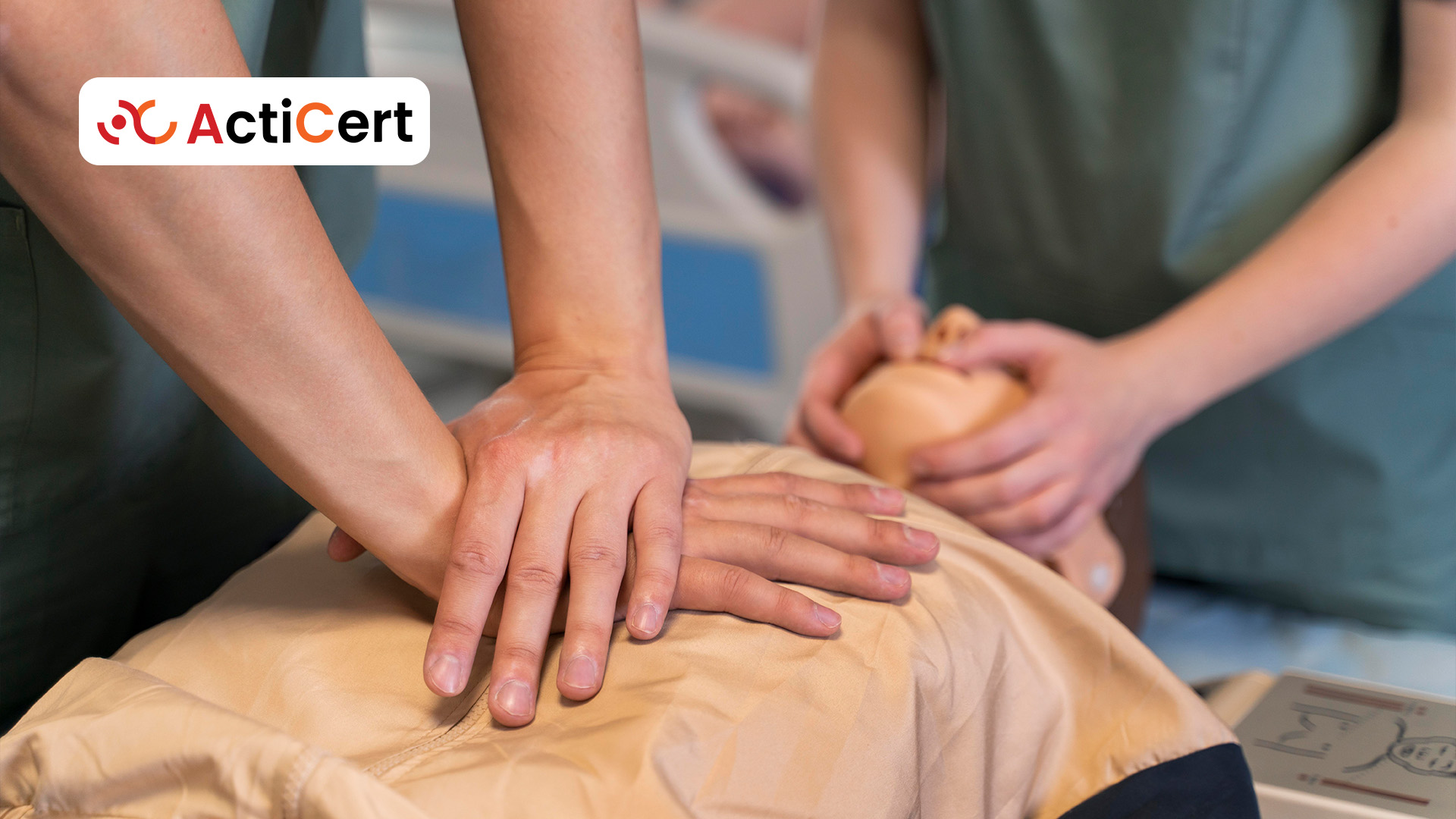
ENHANCING EMPLOYEE SAFETY: STRATEGIES FOR A SAFER WORKPLACE ENVIRONMENT

Health is wealth! There is no doubt about it. A fully healthy staff is an asset your business needs to board the success flight. An incapable or unhealthy staff cannot do a thing that a healthy person can do for your business. For this reason, you need effective emergency first aid strategies to ensure a safe and healthy workplace for all your staff members.

The chances of success and growth for your business multiply with these strategies. These are not the only two reasons for your business to value the overall well-being of your staff. Read this post further. You will have a long list of reasons to value initial medical care as a part of your business.

First Aid Strategies To Ensure A Safe Workplace Environment For Staff:

Your staff needs a safe workplace environment. It means your office/business management team should offer everything your staff needs to feel safe. The most important thing your staff needs is an office safe from a physical and psychological health perspective.

We have prepared a list of strategies to help you add such an important health feather to your corporate cap. These strategies can help you play the game called business with complete authority. Our experienced team members have prepared these first aid strategies.

Time To Look At The Strategies Below:

Your business deserves effective implementation of all strategies for several reasons. For example:

  • A healthy and safe workplace environment is a legal and ethical responsibility of your business.
  • The implementation of such a crucial factor helps foster a sense of well-being, productivity, and satisfaction among employees.
  • The culture of trust reaches the next level with it.
  • Employee engagement rate improves by manifolds.
  • Overall organisational success rate goes up.
  • Your staff thrives and flourishes.

Let’s get to the point. It’s time to talk about the first aid strategies your business management team can implement. The effective implementation of the following strategies can help you ensure a safe and healthy workplace environment:

Create A Strong Workplace Safety Culture:

It could be an incredible feat for your business. Be committed to dedicating your wealth of resources to achieving it. Full commitment to leadership and active involvement of employees marks the inception of this process. Listed below are the aspects that play an important role in this process:

  • Crystal clear communication.
  • Easy and in-depth safety training.
  • Periodic evaluation safety protocols.

These three things can help organisations empower their staff to contribute towards building a safe workplace environment.

Encourage Your Employees To Earn Red Cross Certifications:

This is something you must focus on. These certifications will equip your employees with the knowledge, skills, and experience they need to build a safe workplace environment.

They will have the motivation to actively participate in this process. In other words, your staff will feel motivated to enroll in Red Cross certifications to contribute to the development of a safe workplace environment.

Following is the list of courses you can think about to achieve this feat:

  • Standard First Aid Blended (Levels A or C).
  • Emergency First Aid Blended (Levels A or C).
  • CPR-AED Levels A or C Blended.
  • Basic Life Support Certification.

These courses will equip your staff with all the skills and knowledge required for it.

Implement Safety Measures:

Prevention is better than cure! Someone has said this rightly! You need to understand the hidden meaning of this phrase and leverage its potential to the fullest to ensure a safe workplace environment for your staff. It will help reduce and eliminate the possibility of the following:

  • The chances of workplace accidents and injuries.
  • The chances of diseases at the workplace.

Your organisation needs to take the following preventive measures to ensure a safe workplace environment for your staff from a physical health perspective:

  • Regular inspections.
  • Identification of potential hazards.
  • Regular implementation of control measures.
  • Ergonomic assessments.
  • Proper equipment maintenance.
  • Adherence to safety standards.
  • Creation of emergency first aid blended checklist.
  • Promoting a sense of preparedness.
  • The use of gloves to do anything.
  • Regular, timely, and accurate reporting of unsafe working conditions.
  • Promoting a sense of self-protection.
  • Accurate assessment of the possibility of dangers.
  • Regular safety audits.
  • Emergency evacuation safety preparedness.
  • Proactive risk assessment.
  • The use of correct PPE.
  • The use of appropriate safety gear.

Effective implementation of these preventive measures will promote safety among your employees. They will feel safe in addition to protecting each other at the workplace.

Value Psychological Health And Wellbeing of your Staff:

Another thing these Red Cross certifications promote is a sense of mental security among your employees. Caring for employees’ psychological health is important for creating a safe workplace environment. Therefore, we suggest you dedicate your wealth of resources to providing support and resources for the following:

  • Effective stress management.
  • Work-life balance.
  • Open dialogue about mental health.

Focus on creating an inclusive and supportive workplace. Your employees will be able to thrive personally and professionally. It could be possible if your organization takes the following initiatives:

  • Focus on addressing employees’ mental health needs.
  • Encourage employees to participate in safety initiatives regularly and enthusiastically
  • Encourage your staff to participate in every decision-making process.
  • Make employees a part of safety committees.
  • Value their input on safety calls and protocols.
  • Recognize their contribution.
  • Value their perspective.

These are the strategies your organization can implement to improve the quality of employee safety to ensure a safe workplace environment. Your employees will feel safe, protected, and valued.

What is more important is encouragement to employees to earn all the Red Cross certifications mentioned above. It will play an important role in this entire process. These certifications will load them with confidence, skills, knowledge, and experience to contribute to developing a safe workplace environment.

They will know what to do and what not to do to save a life at the workplace during critical circumstances. They will have the experience, skills, and knowledge to carry out safety measures confidently.

We take pride in encouraging you to explore our portfolios of Red Cross certifications to create a safe workplace environment for your employees.

Do you want your employees to feel safe at the workplace? Are you planning to encourage them to enrol in Red Cross certifications for it? We are only a phone call away! Call our Support Staff immediately.

The team will help you throughout the registration process. The Acticert team will answer your questions also.

Call now!