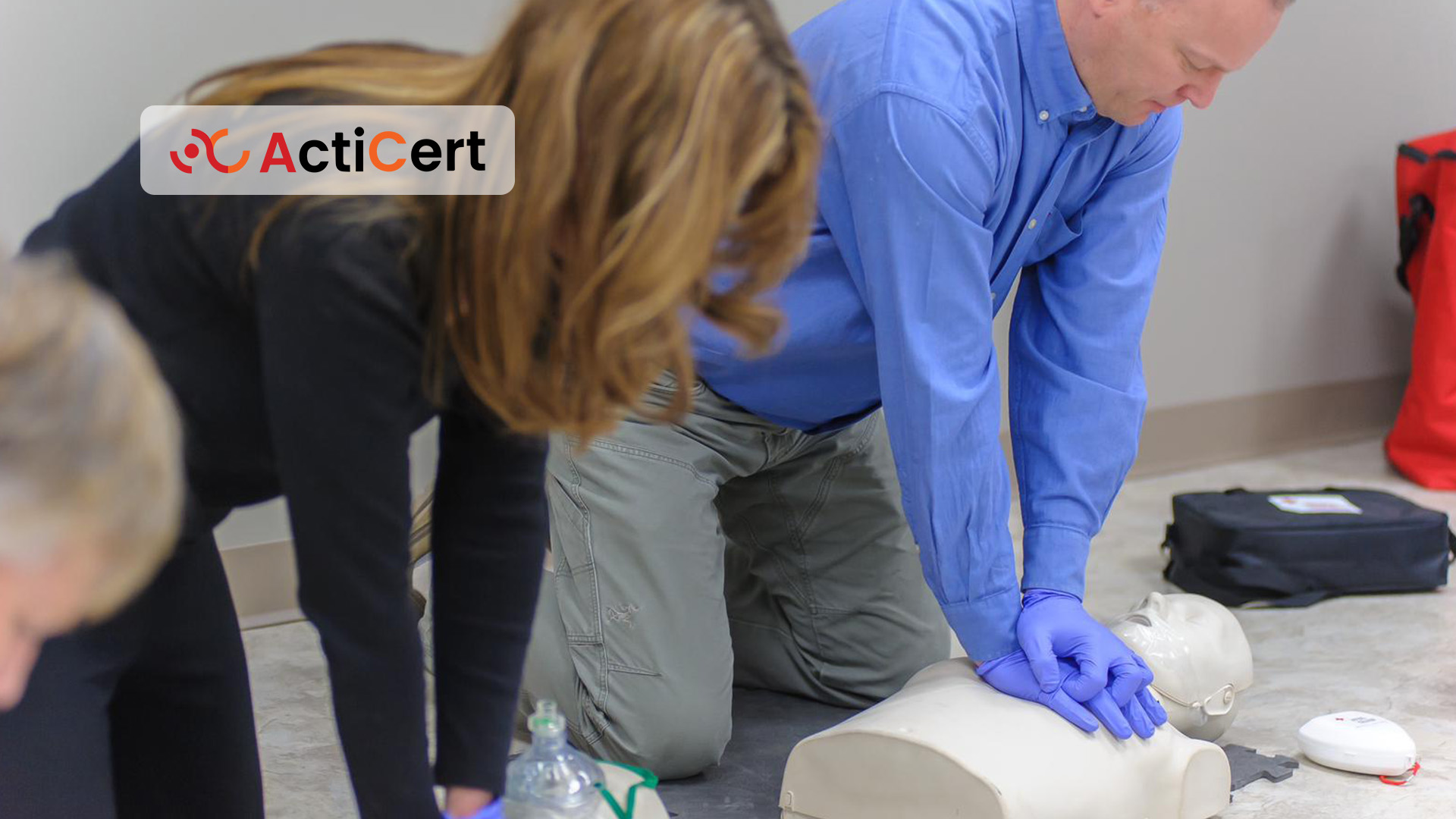
How Physical Instruction Helps Students Learn the Best First Aid Techniques

How Physical Instruction Helps Students Learn the Best First Aid Techniques

Education and pedagogical practices have really changed. There was the old teacher-centered approach where students sat at desks, paid close mind to the teacher, took instruction in rote-like fashion, and writing in notebooks for prepare upcoming exam. Now we have student-centered approaches, online, and self-paced learning plus many other options. It’s great too as students can chose what method they want to learn with.

But there are simply some things that need a teacher, physical guidance, and hands-on learning. Try learning martial arts, roofing, or set decoration from a computer interface. These and other disciplines require a teacher-and-student combination to master theory and practice in tandem. First aid certification is the same and that is why it is so much in demand.

Splints, the Heimlich, and the Shock Box

It only takes going to watch a film involving a scene of some medical practice with a nurse, surgeon, or general practitioner to learn what NOT to do. They will watch someone doing CPR on a victim not breathing and scoff at the improper methodology. They howl at emergency surgeries to save a life of a comrade in a war film. But they aren’t wrong to laugh. Entertainment is great but it is not to be imitated when a real emergency arises. Hence why hands-on first aid is so crucial.

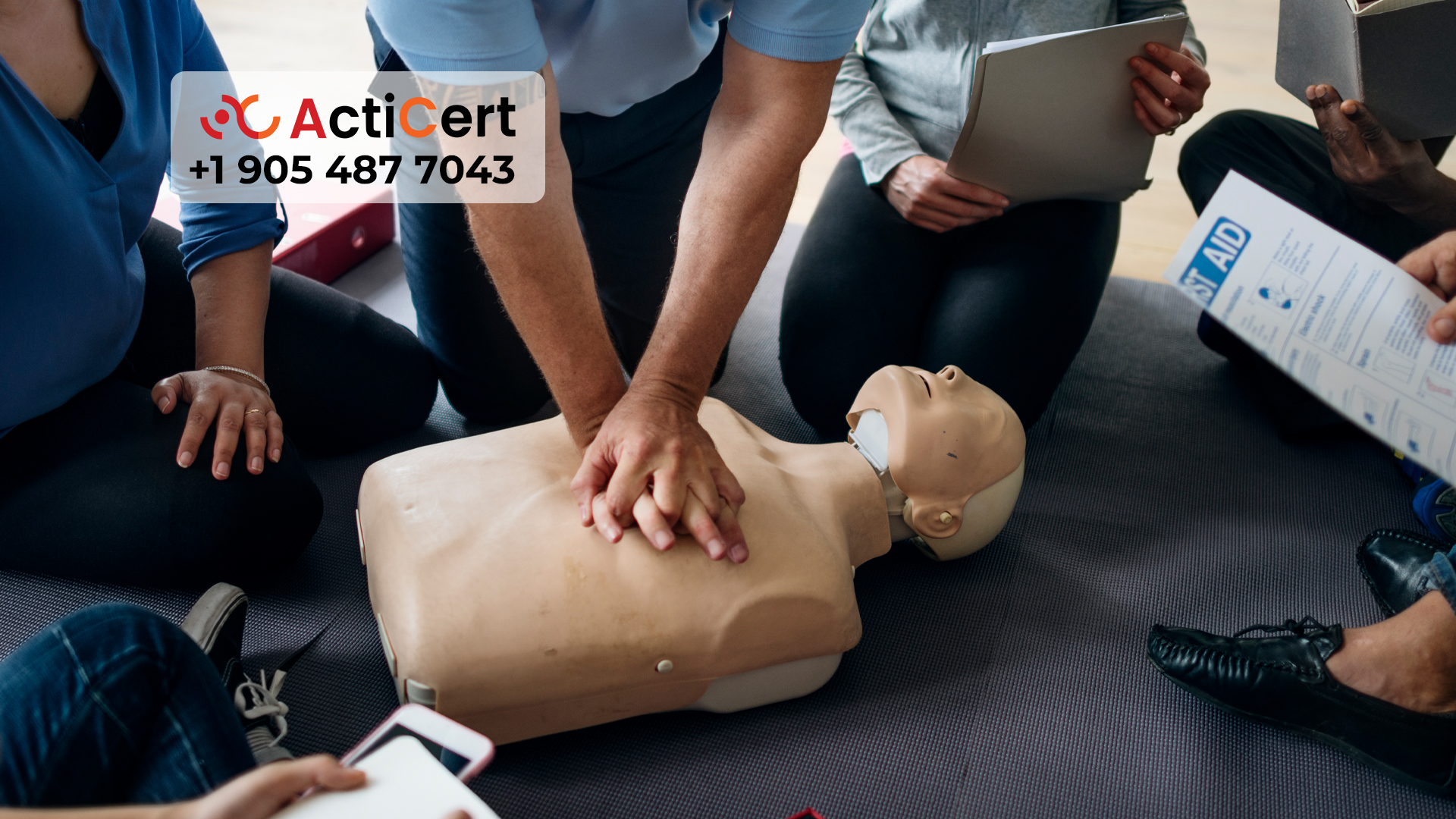
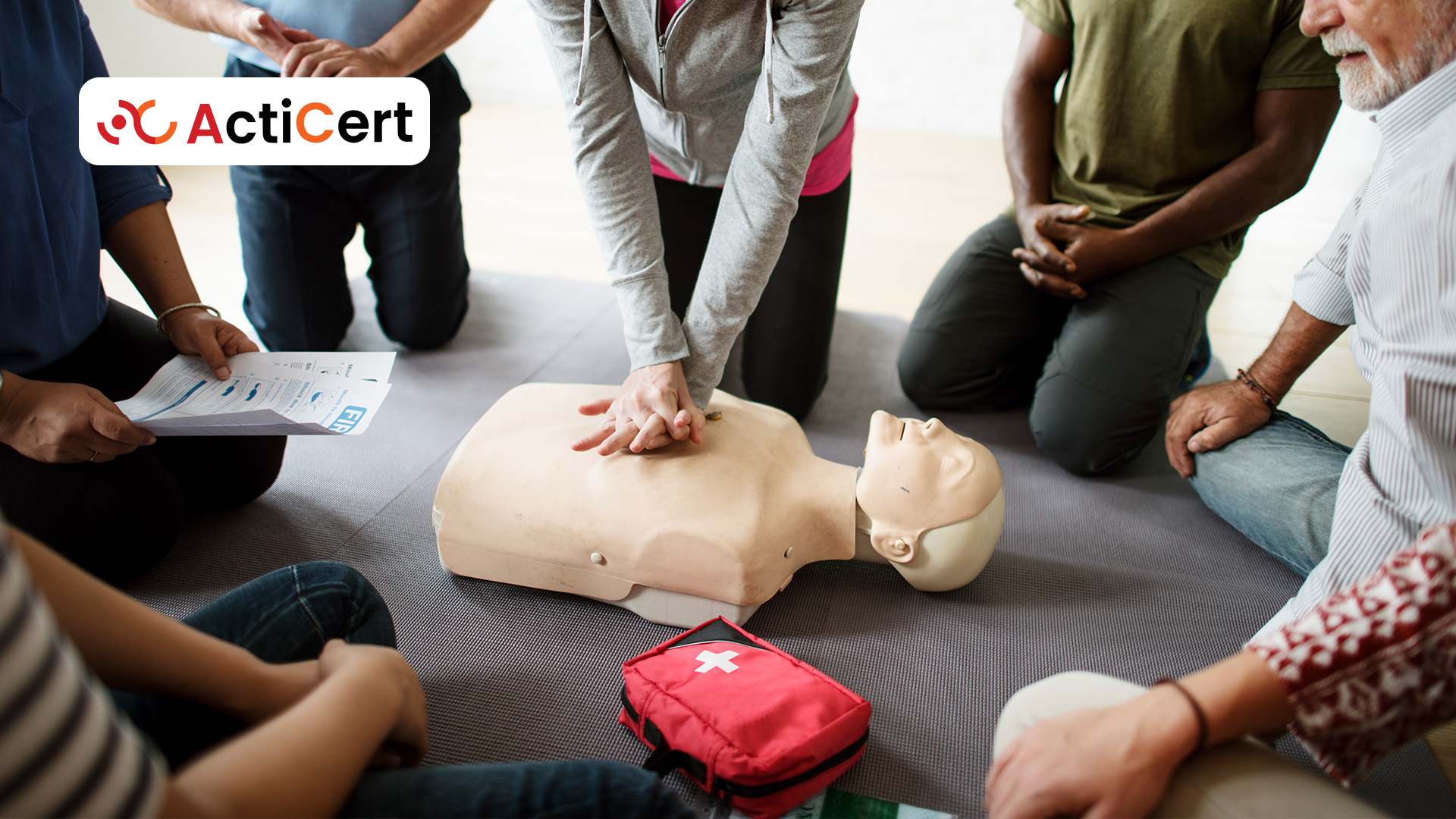
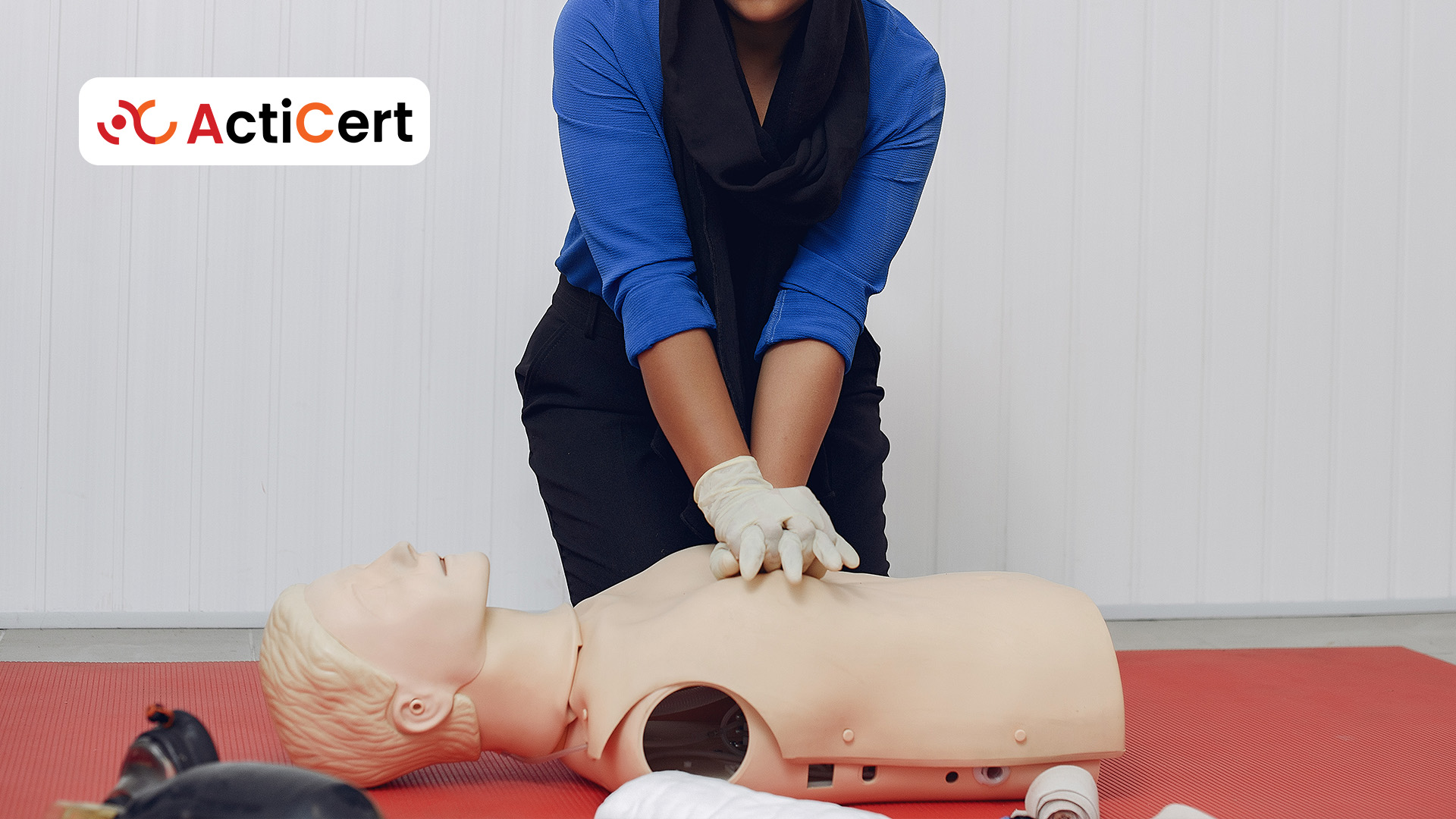
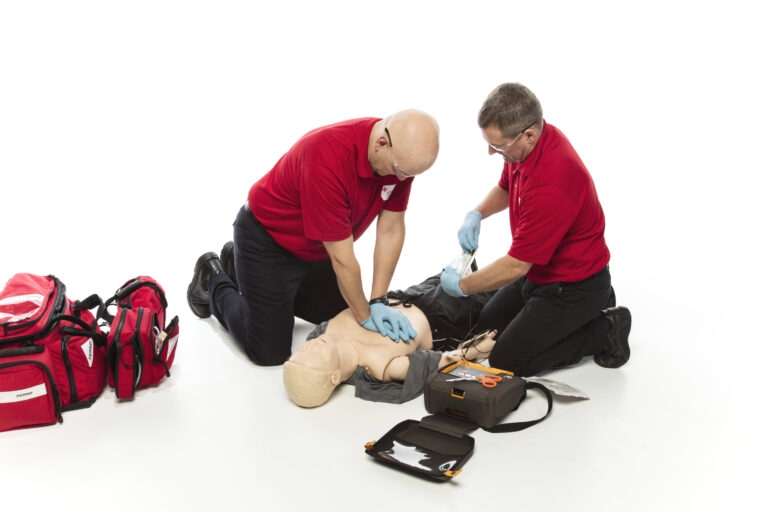
When students take the practical part of first aid training, they must get involved. If there’s a scenario of a big cut, they need to know bandaging and splinting. If someone is choking, proper Heimlich maneuver instruction is crucial not only to save the life but to ensure the victim’s rib bones aren’t broken. While the defibrillator is now commonplace, a lot of people don’t really know how to use that shock box to proper effect.

All of these and other techniques are covered in first aid with the instructor noting proper ways to do them while some tips to do them fast yet effectively.

Quick but Engaging

One might think that this sort of learning-by-doing takes a long time. But most first aid classes last a day or two at maximum. It’s fast-paced but packed with information and with activities to get students going with each new lifesaving practice. Once it’s done, students have everything they need to deal with emergency medical situations along with ability to use all the tools of the nearest first aid kit.

You may need to get a first aid certification fast for work or life situation. If so, go to ActiCert.com/redcross/ to find the best hands-on first aid to suit your needs and achieve it fast.

First Aid Certification is a Way to Build Your Own Professional Success

A high school diploma is a start. A college diploma or university bachelor’s degree is better. A master’s or higher degree is way better. Any certification you get on top is icing on the cake. That’s the common wisdom: having more education leads to better job opportunities and professional success. It makes sense insomuch as these academic achievements are not commonplace with all people and typically rewarded by employers to those that have it and can apply their education within their company or organization. Yet many people think having a first aid certification is not likely going to be rewarded by employers much. It’s a short certification and can be achieved without much investment, so it cannot have that much value.

It’s got more than professional value one might think.

The First Steps Up

It’s hard to believe but with so many big industrial, corporate, and retail operations today, not all staff in those sectors or others have first aid. But it’s true. Sometimes management only designates a select few of the staff or executive to get first aid training as a matter of compliance or just in case of an emergency. Yet those that have it at hiring or gain it amidst their employment give themselves a step up within their place of employment. An employee with a recognized first aid certification can be given more responsibility for health and safety duties within a company, instruct or train others, and potentially qualify for promotions.

Again, doing first aid certification over a day or two does not seem like much. But that seemingly small credential can help an employee move one up the job ladder right off the bat.

Going Further Up

It should be noted that some jobs need a first aid certification even before they begin a hiring round. Security guards, some factory and food and beverage personnel, hotel and event center staff, and even police recruits need first aid to show that the candidate is interested not only in working but having a life-saving skill beforehand.

What is even more prevalent these days is the need for people with first aid plus other qualifications. Companies are now seeking health and safety officers to take on monitoring workplace actions for safety, perform audits, and showing corporate governance that they have are able to keep everyone safe and save lives if necessary. Admittedly this can take a bit more education, but having first aid certification is entry point to becoming a health and safety professional.

If these ideas of promotion and potential positioning interest you, get in touch with us ActiCert.com to help us certify and guide you upwards to your own success.

How First Aid Training Provides a Survey of Today’s First Aid Tools

Go to any auto shop and the mechanics have an upright toolbox full of auto tools and a bunch of on-the-floor machinery. They know what each handheld and mechanized item is for. Drift into a woodshop and see all the table saws, lathes, auto-sanders, and other machines. You might know what they do or how to use them, but a skilled carpenter or cabinet maker does.

Any great skill comes with related tools of the trade and each one has a specific use. No practitioner can simply guess at what does what and then wing their way into using each tool. It’s part of knowing best practices for any kind of success. First aid is no different as it has its own tools and students need to know everything in a first aid kit needed to save lives. Period.

Unpacking Every Item

In the comedy films, you might see some jokers using first aid bandages to dress up like a mummy or the defibrillator to shock their friend. It’s hilarious but it’s fiction. Moreover, in real life, this kind of horseplay can be dangerous if misused to the extreme.

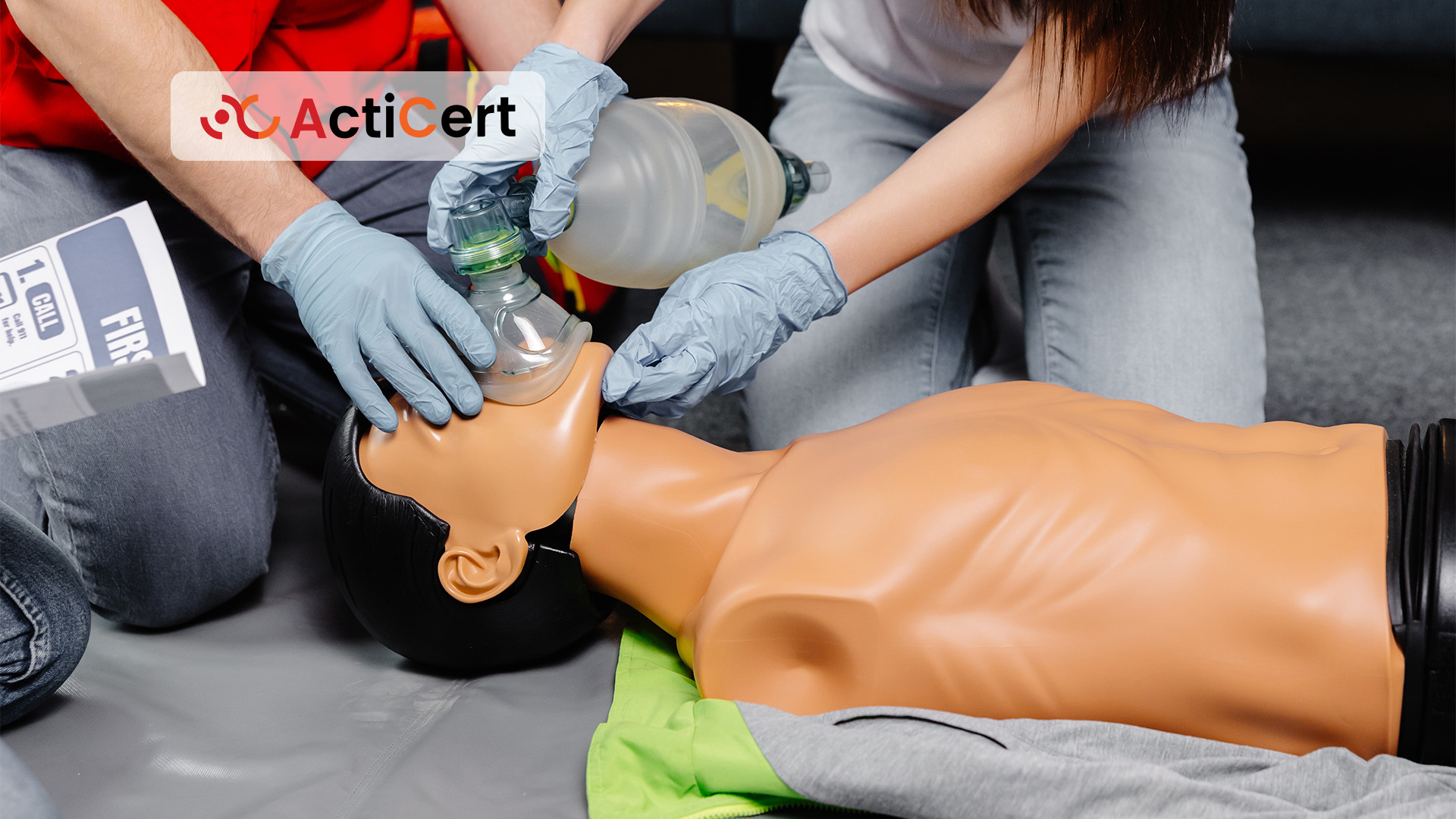
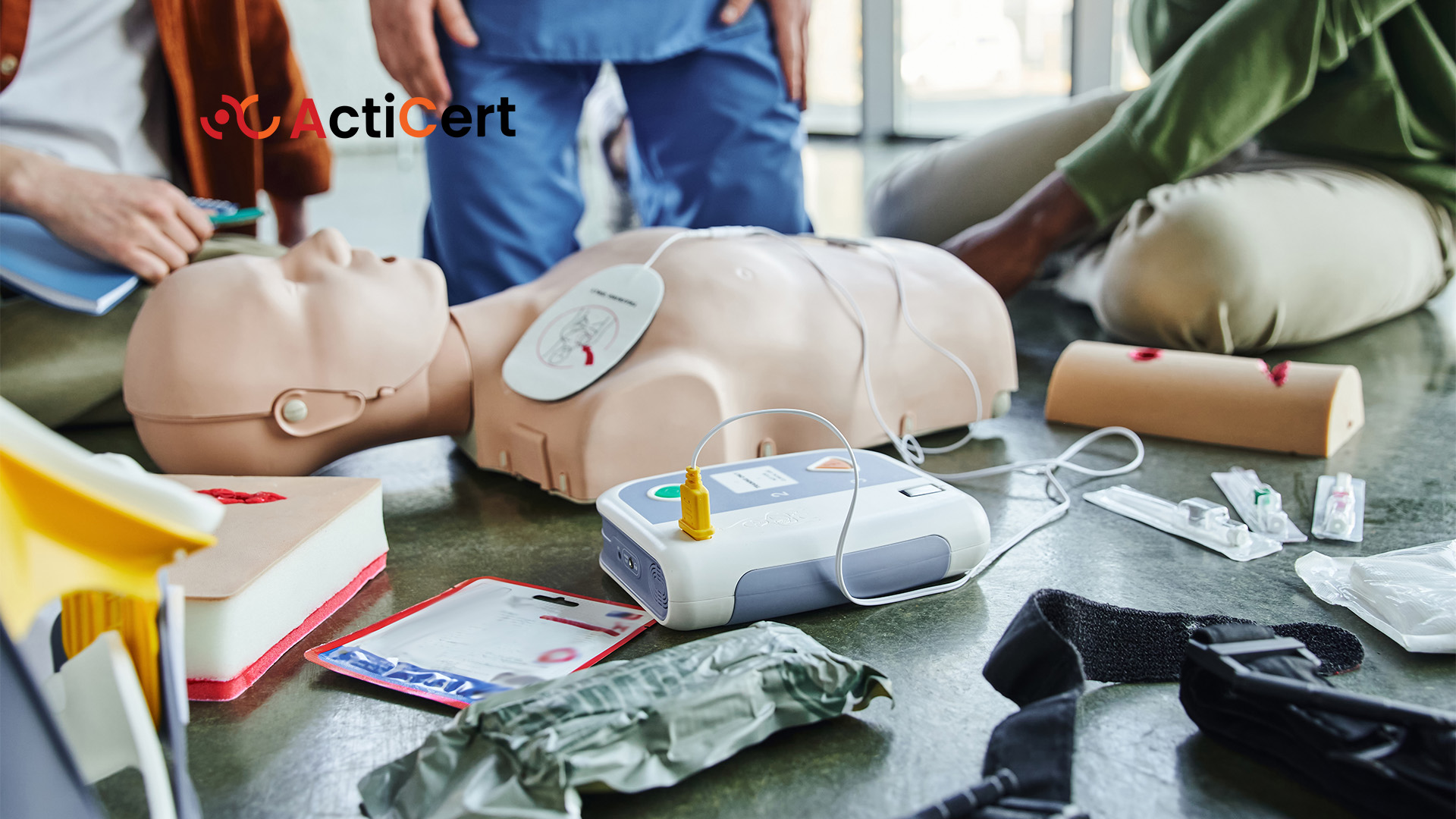
Official first aid items are organized in most first aid kits or packages accordingly. There are different bandages for different wounds, antiseptic packets for sterilization, masks for protection as well as doing CPR, some support linens for slings, and these days defibrillators for any heart-related first aid issues. Providers of first aid put these together for their clients so they are ready at a moment’s notice at any job site and can be retrieved by those that need them or, preferably, someone trained in first aid that is completely knowledgeable of each item.

One at a Time

ActiCert has put together its first aid programs on the advice of first aid professionals so that each one is covered in the program one at a time. More importantly, it offers practice items of these tools so students can a chance to use them while completing their first aid certification session so they both know and can use each tool properly.

The beauty of certification training is that, like in trades education, a student can get the combined theory and practice of what is available to them. In this case, those tools save lives and the more one can learn about each, the better. Come find out about modern first aid and CPR tools in ActiCert’s first aid and CPR certification programs at ActiCert.ca now. You can learn each one and be a comprehensive lifesaver as a result.

The Apparent and Hidden Benefits of First Aid Certification

Learn to drive to transport yourself and get valid government identification in the process. Learn to type as you can get any clerical job. Learn a musical instrument as you’ll have a talent to entertain and might even be better at math and science. Learn…well, you understand.

You’ve likely heard these adages from Mom, Dad, a teacher, a scout or guide master, or whomever elects themselves sage on advising you on your future. They mean well but you get a bit bombarded about what to do and whom to listen to. You want to make the best decisions for yourself and getting too much input doesn’t always  help.

When you strip everything back, it’s often good to at least start with education that actually helps both you and those around you. One choice that many people take on is first aid. It might not sound too extraordinary, but first aid actually has many dividends for an individual.

More than Meets the Eye

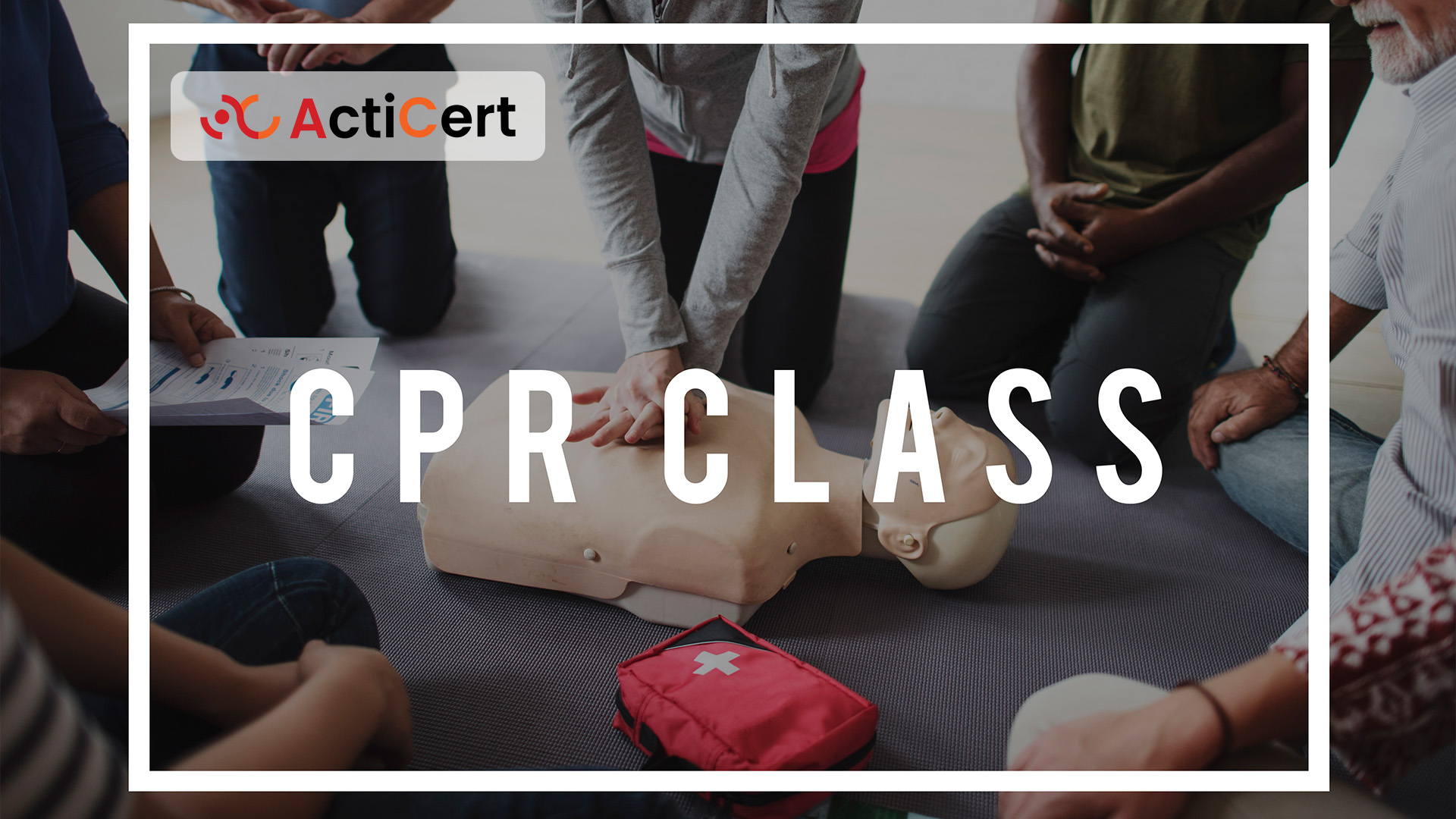
People often imagine a first aid course as an old school lecture in high school gym class or part of mandatory military training: a group stands around a dummy of a human body while a crew-cut-and-jogging-paints-sporting instructor barks orders, then makes the class practice themselves. There’s lots of dramatic heavy breathing exercises and rote learning.

That image is born out of a lot of experience and there’s still some of that in today’s first aid training. However, there is more than meets the eye in modern first aid: how to create a dressing for bone fractures, how to stop chocking, or how to use a modern defibrillator. That’s just the short list too. A modern first aid and CPR course is jam-packed with all kinds of life saving practices that equips one to be ready for any life-saving situation.

Saving Lives and Getting Ahead

You never know what can happen in life and when first aid skills are needed to save lives. That’s one benefit of getting certified in first aid. But employers also understand its value. When employees show they have a certification in first aid and CPR, their superiors view that as an added skill of an employee, thus allowing that person more opportunities in employment, promotion, and special assignment. Sacrificing one day to take one course can lead to new avenues for people they might not have otherwise thought possible.

You can save lives and get ahead with ActiCert’s first aid and CPR programs. Check out ActiCert.com today to learn more.

CPR AED CERTIFICATION – HOW STABLE, UNSTABLE, AND VARIANT ANGINA TRIGGER HEART ATTACK

Red Cross CPR AED certification is essential to save lives under critical circumstances. The course equips you with the experience, knowledge, and skills you need to deal with several critical medical emergencies. Examples include but are not limited only to choking, stroke, deadly bleeding, angina, and heart attack. 

Our previous post talked about one of these health conditions. We threw light on several things related to it. Some of those are listed below for your reference:

  • What is it?
  • Its symptoms.
  • Its types
  • Methods to prevent it.

Even its severity was also discussed. The health condition we talked about is angina and heart attack. Today’s post will guide you about the way different types of Angina attacks result in heart attacks.

Can Angina Attack Result In Heart Attack?

This is the burning question. Facts testify it! Almost 2% of Canadians aged below or above 12 years of age suffered an angina attack between 2000 and 2001. 

The risk of death for Canadians with heart issues is at least three times more as compared to those who don’t have a history of heart health issues. 

As a result, one in four men and one in five women become a heart patient due to an angina attack by the age of 70 in Canada. Someone with complaints about heart attack and angina attack systems is admitted to a hospital in Canada every five minutes. A Red Cross CPR AED certification holder plays a crucial role in helping patients reach the hospital in time. 

Coming to the point, yes is the answer to this burning question. How does it happen? You will know about it once you know its types. You must know about it if you are a CPR certification holder in Canada. Take a good look below at the types of angina attacks.

  • Stable angina.
  • Unstable angina.
  • Variant angina attack.
  • Refectory angina attack.
  • Microvascular Angina.

Let’s tell you about the way these angina attacks become a heart attack.

How Stable Angina Becomes Leads To Heart Attack?

You should treat a stable angina attack like a serious warning. Ignorance turns it into an unstable angina attack that results in a heart attack for sure. You must value the following to prevent it from resulting in a heart attack:

  • Switch to a healthy lifestyle.
  • Regularly take your medicines on time.
  • Attend all your medical appointments.
  • Find ways to handle stress.
  • Include physical exercise in your routine.
  • Exclude fast food, carbonated, sugary, and alcoholic drinks from your diet.
  • Exclude overly greasy, oily, fatty, and processed eatables from your diet.
  • I immediately quit smoking.

Look for a CPR certification holder near you if you see someone experiencing pain in the following body parts:

  • Arms, shoulders, and neck.
  • Jaw, back, and stomach.
  • Sweating and heart palpitations.
  • Lightheadedness, nausea, and vomiting.
  • Shortness of breath, fatigue, and dizziness.

His or her wealth of skills, knowledge, and experience can save a patient’s life under critical circumstances.

How Unstable Angina Attack Becomes Results Heart Attack:

Insufficient blood flow and insufficient oxygen supply to the heart result in this type of chest discomfort. It usually happens when the victim is resting or sleeping. Even little physical exertion also becomes a reason for it. 

Aged people, chain (regular) smokers, diabetes, high blood pressure patients, or people with a family history of early CAD (Coronary artery disease) are usually more at unstable angina attack risk. 

If ignored or left untreated, an unstable angina attack quickly progresses to a heart attack. It can even lead to cardiac arrest or heart failure in extreme cases. 

You should immediately call a CPR AED certification if you notice someone experiencing the symptoms mentioned below:

  • Tightness, squeezing or crushing.
  • Burning sensations, choking, or pain.
  • A dull ache, shortness of breath, and sweating.
  • Fatigue, nausea, vomiting, or lightheadedness.
  • Shoulder pain and pain in my arms or jaws.
  • Neck pain, back pain, or other body parts.
  • Pain that responds poorly to nitroglycerin.

You should regularly consult your doctor if you experience one of these signs. 

Pay attention to things that trigger unstable angina attacks. Heavy exertion, stress, or cold exposure are some of these triggers.

Value to prescribed medications, medical appointments, dietary changes, weight management, stress management, and sleep hygiene is mandatory. Quit smoking and alcohol immediately and include exercise in your routine.   

What is more important is you should value becoming a Red Cross CPR AED certification holder. It will help save the lives of unstable angina attack victims. How? You will learn this during the course.

How Variant Angina Attack Results In Heart Attack

Variant angina attack, also known as Prinzmetal angina, in rare cases, can result in a heart attack. Listed below are some common symptoms of variant angina attack:

  • Exposure to cold weather conditions.
  • Consumption of medicines that narrow or tighten blood vessels.
  • Regular smoking, alcohol abuse, and cocaine use.
  • Reduction in exercise tolerance, lightheadedness, and chest pressure.
  • Tightness in throat, chest pain while resting, and discomfort while resting overnight.
  • If the pain moves to your arm, head, or shoulder.
  • Sweating, nausea, and dizziness.
  • Relief from symptoms after medications.
  • Symptoms reoccur after the medicine’s effect ends.
  • Recurrent pain episodes for 5 minutes to 15 minutes.

Take these symptoms seriously. Do not ignore these symptoms! If left untreated, these variant angina attack symptoms can result in a heart attack. Value to preventive methods suggested for stable and unstable angina attacks can help prevent variant attacks from becoming heart attacks. 

A Red Cross CPR certification is the best way to learn about what transforms angina attacks into heart attacks. Experienced healthcare and medical professionals teach about it to everyone in detail. 

ActiCert offers a CPR Certification course that equips learners with in-depth knowledge about it. Enrol now! Hurry! We don’t have many seats left in our batches. 

Earn your ActiCert Red Cross CPR certification by learning from experienced and skilled healthcare and medical industry professionals to prevent angina attacks and build a rewarding career. Moreover, we will talk about the way the rest of the angina attacks become a heart attack in our next post. We will throw light on it for sure. Therefore, keep coming back here daily.

CPR CERTIFICATION – RECOGNIZE AND RESPOND TO ANGINA AND HEART ATTACKS

A CPR certification course is one of the best ways to learn about the Red Cross, responding to emergencies, taking recovery positions, checking patients, and calling for further medical help. The course is mainly dedicated to improving your knowledge about the following:

  • Choking in adults, children, and babies.
  • The art of assisting with medications.
  • Angina and heart attack.
  • Stroke.
  • Deadly bleeding.

Many young Canadians now enroll in Red Cross certifications. Must enroll in CPR certification courses. They chose this career path to master the skills required to recognize and respond to the following emergencies among adults, children, and babies:

  • Cardiopulmonary resuscitation emergencies.
  • Choking.

It entirely depends on the level of CPR chosen. The objective of this post is to tell you about the way this certification course increases your knowledge about recognizing and responding to angina and heart attacks.

What is an Angina Attack?

This medical condition is the result of narrowed-blocked coronary arteries. Lack of enough blood supply to the heart causes it. Those who experience this problem complain about the following symptoms:

  • Discomfort in the chest.
  • Heaviness in the chest.
  • Chest tightness.
  • Discomfort in arms.

The pain reaches the following organs of the patient’s body:

  • Back.
  • Shoulders.
  • Neck.
  • Jaws.
  • Arms.

These are some common symptoms of angina attack.

Types of Angina Attack:

You taught many things about angina attacks during your cardiopulmonary resuscitation certification course. The different types of angina attacks are one of those things. Mentioned below are different types of angina attacks:

  • Stable Angina-

The most common form of angina attack. Exertion is the biggest reason for it. It vanishes with the right treatment. It is predictable and hardly lasts for a couple of seconds to minutes.

  • Unstable Angina-

This is a serious medical emergency. A CPR-AED Certification holder must learn to avoid this type of angina attack. The attack lasts for about 20 minutes or more. The patient’s condition may worsen if pain occurs even with less physical effort. It becomes a heart attack under the following circumstances:

  • If blood flow does not improve.
  • If a patient’s heart does not get enough oxygen supply.

An unstable angina attack is more dangerous compared to a stable angina attack. It could be life-threatening. Therefore, a Red Cross CPR certification holder must be able to recognize it immediately to prevent the inevitable.

  • Variant Angina Attack-

Prinzmetal angina is another name of this angina attack. It does not happen due to coronary artery disease or blockage. Spasms in the heart’s arteries are responsible for it. The spasm reduces blood flow to the heart for some time. Those who face this problem complain about intolerable chest pain in cycles at rest or overnight. Angina medicine or initial treatment by an experienced Red Cross certification holder can help reduce the pain.

  • Refectory Angina Attack-

It is a chronic medical condition that occurs frequently and when blood flow to the heart reduces. It happens when the heart’s demand for oxygen exceeds its supply of blood supply. The sensation of pressure and pain in the chest are two main symptoms of it. Regular medication and lifestyle changes can help you manage the impact of a refractory angina attack. The role of an experienced cardiopulmonary resuscitation certification can be very important in this entire process.

  • Microvascular Angina-

This happens when someone experiences a lack of blood flow in one or more of the smaller blood vessels responsible for ensuring enough supply of blood constantly to your heart. Cardiac syndrome X or coronary microvascular dysfunction are two more names for microvascular angina attacks. You can include lifestyle changes instead of sparing time for a stent or heart bypass surgery.

Angina Attack Prevention

Several factors, including but not limited to poor lifestyle choices like smoking, dietary preferences, excessive weight, lack of physical activity, and low mental health and overall well-being, are some common reasons for angina attacks.

All experienced doctors and CPR certification holders advise patients to switch to a healthy lifestyle. This lifestyle change will reduce or eliminate the possibility of another angina attack that could result in a heart attack or cardiac arrest.

Certain lifestyle changes can help with reducing angina issues. One ought to…

  • Quit smoking immediately.
  • Obey your medical prescription.
  • Value healthy eating and drinking choices and practices.
  • Get rid of those extra pounds.
  • Include a lot of physical activity or exercise in your routine.

If needed, look for an experienced Red Cross CPR certification holder available at the scene to handle an emergency case.

You can enroll in a course to be capable of recognizing and handling such a medical emergency under critical circumstances.

ActiCert offers you a chance to be a Red Cross CPR certification holder. The certification will open floodgates of opportunities you need to grow on the financial and career front. The course fulfills legislation requirements for provincial/territorial worker safety and insurance boards. This continuous course includes all the latest Cardiopulmonary resuscitation guidelines and training in AED’s (Automated External Defibrillator) use.

The course is conducted in two parts mentioned below:

  • CPR-AED Levels A blended.
  • CPR-AED Levels C blended.

Level B of this Red Cross CPR certification course offers 3 hours of online learning plus 2 hours in-class to students. Those who want to know about the value Level A of this certification offers should get in touch with our support staff. The team would love to answer all your questions about it.

Level A of this Red Cross CPR certification guides about the Red Cross, the process of checking the patient, calling for medical help, and taking care of a patient under critical circumstances, the protocols related to responding to emergencies like stroke, deadly bleeding, adult choking, and angina and heart-attack, knowledge related to recovery position, and assisting with medications.

Level C of this Red Cross CPR certification guides learners about level A content, choking in children and babies, and CPR and AED for children and babies as well.

Those who enroll now will get access to participant materials like cardiopulmonary resuscitation print or e-book publications, a detailed e-guide related to first aid and CPR, CPR digital access (in blended courses only), and a digital CPR certificate issued once you complete your course successfully.

Students must be above 18 years of age to enroll in this CPR certification course. As well, students will get your certificate once you successfully demonstrate skills and critical steps learned and score over 75% marks for written knowledge evaluation.

ActiCert encourages students to explore our courses section to know more about the value this course can add to your career. Enroll quickly to grab your spot—seats are filling up. Hurry! Fill out the quick application form to register now! 

RED CROSS CERTIFICATIONS TO STAMP YOUR SKILLS WITH CREDIBILITY

Red Cross certifications are mandatory for those who want to be professional lifesavers in Canada. Those who enroll in these certifications in the hopes of a better professional and financial life in Canada reap several benefits.

The Benefits of Red Cross Certifications:

These certificate courses are important in Canada. It is because you gain knowledge, skills, and experience to be a professional lifesaver.

You Attract Professional Opportunities:

Many industries in this part of the world hire professional lifesavers. They employ certified professionals. A Red Cross certificate is a prerequisite for those who want to be professional healthcare, childcare, and elder care specialists and provide CPR, first aid, and emergency care.

They get enough opportunities as coaches, lifeguards, and fitness trainers in the domain of sports and recreation.

A Red Cross certification is mandatory in Canada even if you want to be a professional lifeguard, firefighter, paramedic, or rescue worker.

Legal Workplace & Compliance becomes a cakewalk for Canadian employers. The Federal Government of Canada has strictly instructed several industries to hire individuals only if they are first aid certified and CPR specialists.

Focus on hiring certified specialists helps employers comply with Canada’s workplace safety regulations and standards to avoid legal issues. 

The right to volunteer and participate in Community Initiatives is another benefit all Red Cross certificate holders get. You become a volunteer with all rights to assist in the following:

  • Disaster relief efforts.
  • Public safety initiatives.
  • Community health programs.

All in all, you get a chance to become an invaluable asset to society.

Access to Skill Enhancement And Public Safety Programs:

Red Cross training courses elevate the level and quality of your skills. Individuals gain the knowledge, skills, and experience required to deal effectively with medical and healthcare emergencies like heart attacks, accidents, injuries, and more to contribute to public safety.

Credibility Stamp:

Red Cross training courses add credibility to your knowledge, skills, and experience. It is because you earn your certification/recertification from a reputed Canadian institute/college/university.

Employers and patients trust a certified first aid service provider from a reputed college/institute/college. 

This is merely the tip of the iceberg! Let us tell you separately about the value every Red Cross training course adds to your career.

CPR – AED CERTIFICATION

This course loads first responders knowledge, skills, and experience required to deal with cardiovascular emergencies and choking adults, babies, and children. The certification has two levels (Level A and Level C). 

The level A content of this CPR certification guides you about the following concepts:

  • The Red Cross.
  • The art of responding to medical emergencies.
  • The process of check, call, and care.
  • The art of recovery position.
  • Choking (Adults).
  • The art of assisting with medications.
  • The art of dealing with medical emergencies like stroke, deadly bleeding, Angina, and heart attack.
  • You learn about CPR and AED (Adults).
  • Angina and heart attack.
  • Stroke.
  • CPR and AED– Adult.
  • Deadly Bleeding.

Level C of this CPR certification helps you revise your Level A Content. You gain the knowledge, skills, and experience needed to deal with Choking (Children and Babies) and CPR and AED-related issues (Children and Babies). 

Those who complete this CPR-AED CERTIFICATION increase their chances of employment in Canada.

Basic Life Support Certification:

This one is for professionals with a duty to respond. The successful completion of this certification loads with knowledge, skills, and confidence in professionals with the duty to respond to requirements to perform cardiopulmonary resuscitation in a team environment.

This BLS certification offers you value in the form of improved glove removal skills. You learn to perform primary assessment without hassles. Performing CPR (Cardiopulmonary Resuscitation) and AED (Automated External Defibrillator). Your knowledge about basic life support reaches the next level. What is more important is you learn about assisted ventilation and airway obstruction.

Do you know the most important thing? This BLS certification makes you eligible for lucrative jobs in various Canadian industries. What are you waiting for? Get it!

Emergency First Aid Blended (Levels A or C)

It is a comprehensive course loaded with knowledge to equip you with first aid and CPR skills to save lives at home, workplace, and in public places. The course offers a lot of value to students. You gain knowledge about the following:

  • The Red Cross.
  • Skills to perform and respond.
  • The Emergency Medical System.
  • Process to check, call, and care.
  • Skills, experience, and knowledge required to deal with emergencies related to airway obstruction, breathing, circulation, first aid for respiratory, cardiac arrest, and wound care.

Level A of emergency first aid blended (Levels A or C) offers you learning through 4 hours online + 3.5 hours in class. Level C of this offers the same value through 4 hours online + 4.5 hours in class. 

All the knowledge you gain through this certification helps you build a lucrative and rewarding career in various Canadian industries.

Standard First Aid Blended (Levels A or C)

The entire discussion is complete without throwing light on this first aid certification. It takes your knowledge and skills related to cardiopulmonary skills to the next level. The certification is for those who need training due to work requirements. It is for those who want to be loaded with more meaningful knowledge to respond to emergencies at home effectively.

Standard First Aid Blended (Levels A or C) takes your knowledge about The Red Cross, the art of preparing to respond, processes related to check, call, and care, airway emergencies, the EMS system, breathing and Circulation emergencies, first aid for respiratory and cardiac arrest, and wound care to the next level.

More importantly, you gain knowledge, skills, and experience needed to deal with bone, muscle, and joint injuries, environmental Illnesses, SMEs (Sudden Medical Emergencies), and several types of poisons. 

Again, this one also offers many lucrative career opportunities like all other Red Cross certifications. We suggest you enroll in this certification to elevate the quality of your career.

ActiCert has all these Red Cross Certifications in its courses portfolio. Choose the one that you want to enroll in! You will experience a difference in your career soon. 

Enrol now! Have you got a question? Call our support staff immediately!