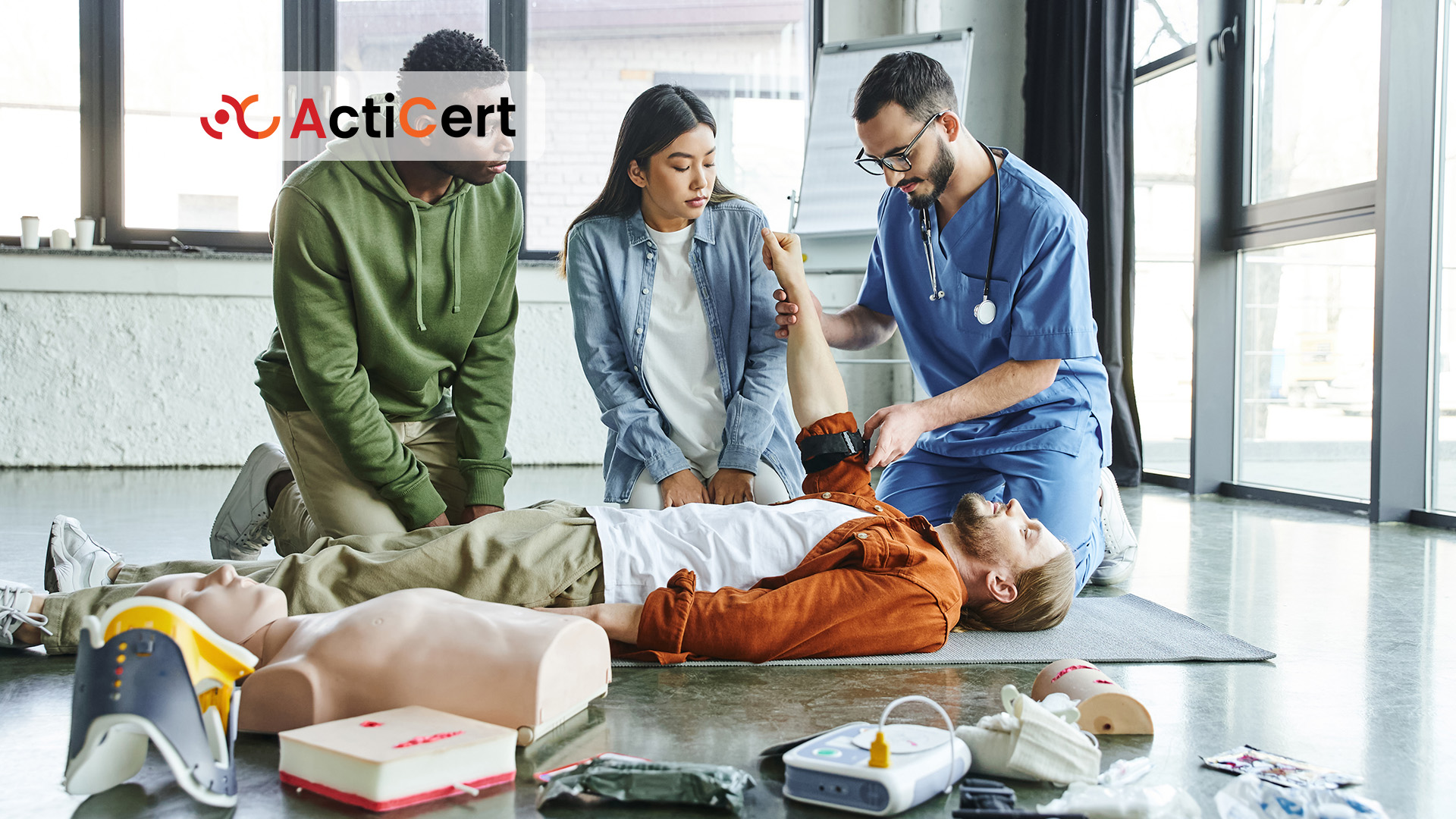
EMERGENCY FIRST AID – LEARN TO HANDLE RESPIRATORY AND CIRCULATORY CASES

The cases of breathing and circulation emergencies in Canada are increasing. As a result, the number of phone calls for emergency first aid in Canada is rising. The aging population, poor air quality, climatic conditions, delayed care during the COVID-19 pandemic, lack of public awareness and bystander response, and increased emergency department visits are some common reasons for this.

This is encouraging Canadian youngsters to learn about the Red Cross, the EMS system, airway emergencies, wound care, the check, call, & care system, first aid for respiratory and cardiac arrest, and the art of preparing to respond to medical emergencies. They are showing interest in learning about breathing and circulation emergencies and are registering for emergency first aid courses. Many youngsters are building a rewarding career with this Red Cross certification course.

The course allows them to learn about different types of breathing and circulation emergencies. As a result, they find it easier to prepare for such emergencies. But how?

This is what we are going to discuss in this post.

What Is a Breathing Emergency?

A breathing emergency is a severe medical condition. A person facing this situation finds it hard to breathe or can’t breathe at all. Such a situation usually leads to severe oxygen deprivation or death.
Medical conditions like asthma, pneumonia, allergic reactions, pneumothorax, choking, COPD, heart attack, pulmonary embolism, agonal respiration, dyspnea, pleural effusion, respiratory failure, upper airway obstruction, whooping cough, croup, chest wall movement, neurologic conditions, blood clot in the lungs, HAPE, injury to the neck, chest wall & lungs, pericardial effusion, near drowning, and wheezing are some major breathing emergencies.

Rapid breathing, inability to breathe while lying down, the need to sit up to breathe, anxiety, agitation, sleepiness, confusion, dizziness, light-headedness, pain, fever, cough, nausea, vomiting, bluish lips, fingers, and fingernails, unusual chest movement, gurgling, muffled voice, making whistle-like sounds, difficulty in speaking, bleeding during coughing, sweating, and irregular heartbeat are some symptoms of breathing emergencies.
Those who enroll in an emergency first aid blended (Levels A or C) Red Cross certification course learn several things about it. The list includes, but is not limited to, the following:

  • What is it?
  • Its types.
  • Its symptoms.
  • First aid treatment for it.
  • Things to avoid.
  • When to contact a medical professional.
  • Its alternative names.

Emergency first aid blended (Levels A or C) Red Cross certification teaches you much more than this. You realize this only once you enroll in a relevant course.

Different Types of Breathing Emergencies

There are different types of breathing emergencies. The list includes, but is not limited to, the following:

  • Respiratory Arrest:

Problems like cardiac arrest, drug overdose, choking, severe asthma, or trauma are some major reasons for this cessation of breathing. Some common symptoms of respiratory arrest are mentioned below:

  • No breathing.
  • Unconsciousness.
  • Cyanosis (Bluish skin).

Artificial ventilation, immediate cardiopulmonary resuscitation, and professional medical help are the best solutions to deal with such a medical emergency. An emergency first aid blended (Levels A or C) course is the best way to learn about it in detail.

Respiratory Distress:
Difficulty in breathing is respiratory distress. This precursor to respiratory arrest happens mainly because of problems like asthma, pneumonia, COPD, allergic reactions, or injury. Mentioned below are some common symptoms of respiratory distress:

  • Rapid or shallow breathing.
  • Wheezing.
  • Gasping for air.
  • Pale or bluish skin.
  • Anxiety.

Listed below are some measures you can take if you see someone experiencing respiratory distress:

  • Immediately call for first aid and medical help.
  • Help the victim sit in a comfortable position.
  • Arrange a prescribed medication like an inhaler for the victim.
  • If needed, call for professional medical help.

If left untreated, it can lead to death. Those who want to learn about it in detail can enroll in a reputed first aid blended (Levels A or C) certificate course.

  • Asthma Attack:

Airway constriction caused by inflammation or mucus is called asthma. Problems like wheezing, shortness of breath, chest tightness, and coughing are some common symptoms of asthma.
Arrange rescue inhalers and ensure trigger removal. Call professional medical help if you don’t see any improvement in the victim’s condition. Enrollment in an emergency first aid certificate course can help you learn all of this in detail.

  • Anaphylaxis (Severe Allergic Reaction):

Food allergens, insect stings, and medications cause this severe allergic reaction. As a result, the victim experiences airway swelling. An anaphylaxis patient usually shows the following symptoms:

  • Problems in breathing.
  • Throat swelling.
  • Tongue swelling.
  • Rash.
  • Shock.

Arrange an EpiPen. Ensure CPR if needed. How? This is something you will learn once you enroll in an emergency first aid course.

  • Choking:

Airway obstruction due to foreign objects results in choking. Problems in speaking, coughing, clutching the throat, and cyanosis are symptoms of choking. An emergency first aid course can teach you all the best processes and procedures to save the patient from choking.

  • Hyperventilation:

The level of carbon dioxide in the blood drops significantly. This drop causes excessive breathing. Problems like dizziness, chest pain, rapid breathing, and tingling in the extremities are its symptoms. An emergency first aid blended (Levels A or C) certification course can help you learn the best ways to help patients get relief from this problem.

  • Chronic Obstructive Pulmonary Disease Exacerbation (COPD):

COPD is the worsening of respiratory problems in people. Persistent cough, difficulty in breathing, fatigue, and increased mucus are its symptoms. People experiencing COPD need immediate first aid and medical help. Emergency first aid certification holders are qualified to provide initial treatment.

  • Croup:

Many young children face this viral infection. They experience swelling in their airways and show symptoms like barking cough, difficulty breathing, and hoarseness.

  • Near Drowning:

Near drowning usually causes problems with breathing. Issues like coughing, unconsciousness, and frothy sputum are some more problems victims face. People who face this problem need first aid treatment. You can learn about the initial treatments through an emergency first aid certification course to help patients.

  • Smoke Inhalation:

Inhaling toxic gases, soot, or fire & chemical particles causes difficulty in breathing, coughing, and confusion. People facing this condition need immediate help. You can gain all the knowledge required to move patients to fresh air, seek emergency medical care, and administer oxygen through an emergency first aid certificate course.

  • Pneumothorax:

There is a space between the lung and the chest wall. Air leaks into this space, causing the patient’s lungs to collapse. In such a scenario, patients experience symptoms like sudden sharp chest pain, shortness of breath, and rapid heart rate. Immediate first aid is required in such cases. An emergency first aid course equips you with all the knowledge you need to deal with such a serious respiratory emergency. A certified first aid provider can provide immediate initial treatment to save the victim.

What Is a Circulation Emergency?

A circulation emergency is a medical condition that significantly hinders blood flow in your body. Such a condition prevents oxygen and nutrients from reaching bodily organs and usually leads to the following:

  • Organ failure
  • Death (If not treated)

Immediate restoration of blood flow to the bodily organs is a must to treat circulation emergencies. Emergency first aid certificate holders are eligible to provide the immediate initial treatment required.

Different Types of Circulation Emergencies

There are different types of circulatory emergencies. All these emergencies occur due to varying types of circumstances or injuries. Listed below are some types of circulatory emergencies:

  • Cardiac Arrest:

Cardiac arrest is a major circulation emergency. The patient needs immediate first aid before professional medical help. In such a scenario, one of the following happens:

  • The patient’s heart stops beating.
  • The patient’s heart becomes unstable and cannot pump blood.

Sudden collapse, no pulse, and no breathing are some major symptoms of cardiac arrest. You must complete your emergency first aid blended certification course to be able to provide the first aid a cardiac arrest patient immediately needs.

  • Shock:

It is a state when the blood flow does not fulfill the body’s requirement. Rapid heartbeat, low blood pressure, confusion, and pale or clammy skin are problems patients face due to this condition. Hypovolemic, cardiogenic, septic, and anaphylactic are its types. Severe blood loss for any reason causes hypovolemic shock. Cardiogenic shock happens due to heart failure, while severe allergic reactions result in septic or anaphylactic shock.

  • Severe Bleeding (Hemorrhage):

Severe injuries, fainting, and low blood pressure lead to excessive blood loss. Excessive blood loss results in hemorrhage. Such patients need immediate emergency first aid under all circumstances. You can provide it once you are a certified professional.

  • Deep Vein Thrombosis and Pulmonary Embolism (DVT and PE):

DVT is the formation of blood clots in deep veins, typically
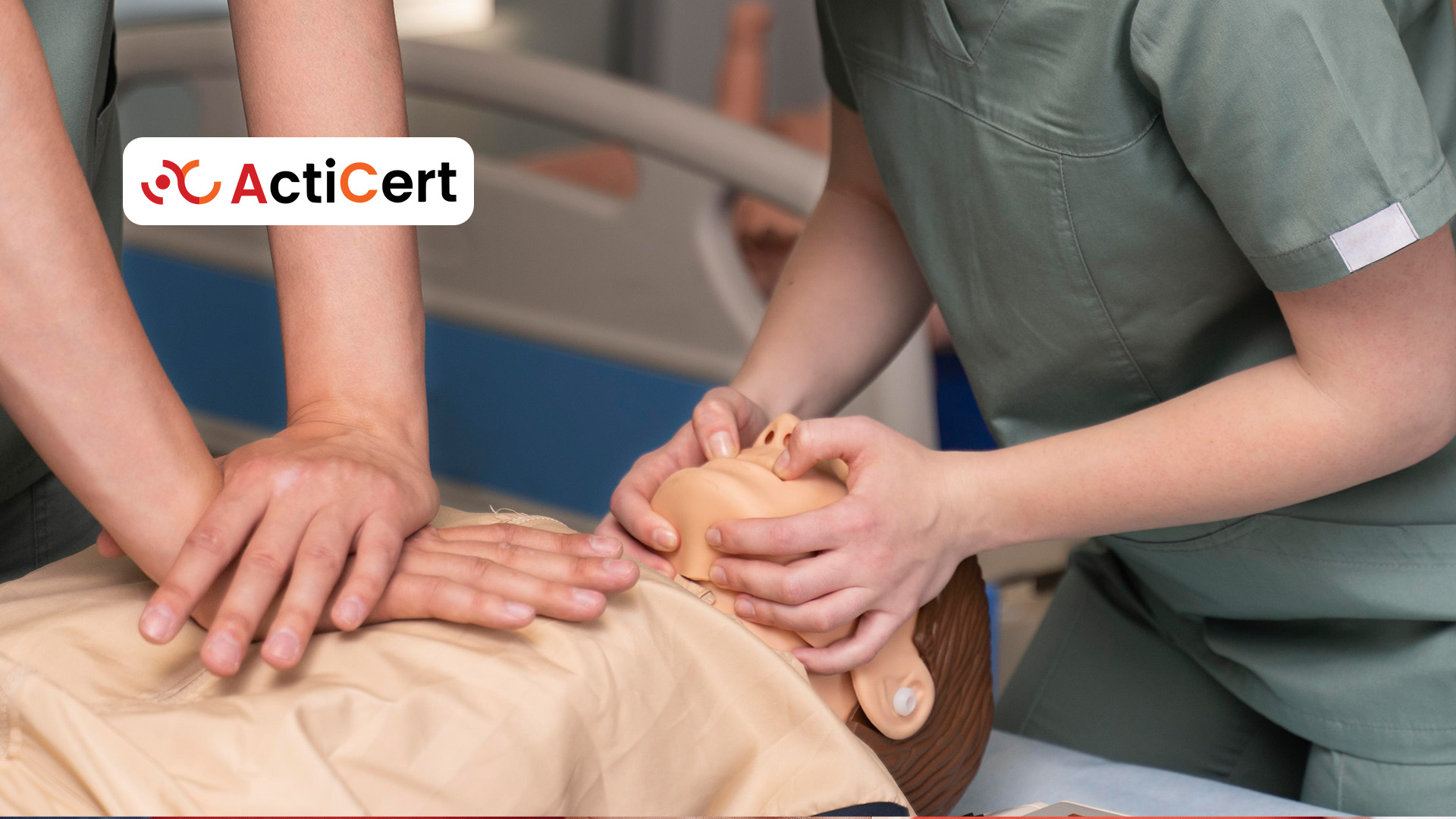
EMERGENCY RESPONSE ESSENTIALS: RED CROSS FIRST AID TRAINING

Inclement weather, accidents, and catastrophes are becoming a common thing these days. Such things lead to many deaths. Countless lives turn upside-down as a result. The value of an emergency first aid kit multiplies in such a situation. It will help you save lives under critical circumstances.

You will always be ready for medical emergencies. There will be no delay in the beginning of medical treatment for the needy. You are going to learn about it. However, you need to understand the value of emergency response essentials. The Red Cross certificate course is the best medium for it.

Phases of First Aid Emergency Management:

Medical emergencies need more priority, full attention, and effective management. Such an important thing could be feasible only with full preparations in advance.

A proper understanding of medical emergency management can help you prepare a first aid kit in advance. You need to understand the following phases of emergency management for it:

Prevention:

Prevention is better than cure. Value to this aspect of the initial medical treatment process initiates the prevention of hazards that occur from mishaps. Focus on this phase of emergency management is essential to develop plans for the following:

  • Solid evacuation plans.
  • Planning to take care of patients with environmental illnesses.
  • Design standards for buildings and safety equipment.

It is important to prevent the risk of life loss and life-threatening injury growth.

Mitigation:

Red Cross certificate holders understand the value of this emergency management. Value to this phase helps reduce the impact of the following mishaps that happen because of Inclement weather, accidents, and catastrophes.

  • Someone’s death.
  • Physical injuries to someone.
  • Property damage.
  • Catastrophes.
  • Medical emergencies.

The list does not end here only. A first aid kit prepared in advance can help ensure it significantly.

Preparedness:

Preparedness is a never-ending cycle. This process involves the cycle of the following:

  • Effective planning.
  • Organizing everything properly.
  • First aid training.
  • Getting equipped with the necessary medication and safety equipment.
  • Exercising everything you have learned during your training period.
  • Evaluating situation, risk factors, and chances of patient’s survival.
  • Implementation of corrective measures, preventive measures, and safety protocols.

The preparedness process includes several things. The list includes but is not limited to the following measures:

  • The development of mutual agreements.
  • The development of MOUs (Memorandum of Understanding).
  • Training that emergency response specialists and concerned citizens need.
  • Emergency and disaster exercises to reinforce capabilities training and test capabilities.
  • The presentation of all-hazards education campaigns.

Response:

It is your reaction to the occurrence of a mishap or medical emergency. The execution of everything you learn during your Red Cross certificate course is dedicated to the following:

  • Saving a life.
  • Reducing the chances of death.
  • Reducing chances of injury.
  • Reducing the growth of injuries.
  • Reducing financial loss.
  • Alleviating the victim’s suffering.

The response phase is a combination of the following safety measures:

  • The coordination and management of resources leveraging the potential of ICS (Incident Command System).
  • Activation of emergency operation centers.
  • Evacuation of patients and threatened populations.
  • Opening shelters.
  • Providing emergency medical care, healthcare, and food to the victim/patient.
  • Emergency rescue.
  • Fire fighting equipment.
  • Running urban search and rescue operations.

Recovery:

This is another key phase of medical emergency management. Red Cross certificate holders focus on this aspect to ensure the restoration of critical bodily and psychological functions of a patient.

This phase begins immediately after the threat to the patient’s life subsides completely. Listed below are some goals of this phase:

  • It helps bring the patient physically and mentally back to normalcy.
  • The recovery of all sorts of physical and psychological damage.
  • Making ORIF (Surgery) and other common medical treatment options available is another goal of this phase.

Value to the recovery process is important. It will help patients recover from the impact of their injuries.

You need to understand the value of an emergency response essentials kit to ensure the prevention, mitigation, preparedness, response, and recovery on time and in the best possible way.

First Aid Kit Preparation Art Will Help In This Process:

An emergency first responder is like a soldier on a battlefield. A soldier must be ready to face all types of situations all the time. Similarly, a first aid provider should be armed with medical emergency equipment.

First Aid Kit Preparation Art Will Help In This Process:

Listed below are some emergency response essentials you need for effective first aid treatment:

◆ Readiness Kit:

Get a backpack to store a bottle of water, some food, clothes, bedding, tools, emergency supplies, and necessary tools to prepare your kit. 

◆ Water Bottle:

Make sure you have enough water for three days at least (Per Person). At least one gallon of water per person is needed every day.

◆ Foot Items:

Keep some food items in your kit that don’t need the following:

  • Refrigeration.
  • Cooking.
  • Preparation.
  • Cooling
  • No or less water.

Listed below are some food items you can keep in your kit:

  • Canned meats ready-to-eat.
  • Ripe fruits.
  • Ripe veggies.
  • Canned juices.
  • Staples like sugar, pepper, salt, and spices.
  • Food items that are high in energy.
  • Foods for infants, babies, and children.
  • Stress/Comfort food items.

First Aid Kit For Medical Emergency Response:

You will have to learn the art of finding medical stores to keep the supply of medical emergency response essentials supply continued. For this reason, you must know the address of every medical store, clinic, or hospital in every area near the accident scene. Listed below are items you will need to keep your first aid kit ready all the time:

➢ Basic Items You Need In Your Kit:

  • Bandages in assorted sizes with sterile adhesive.
  • Safety pins with assorted sizes.
  • Two pairs of latex gloves, sunscreen, and a cleansing agent/soap.
  • At least four to six sterile gauze pads of two inches and 4 inches.
  • Triangular bandages, scissors, needles, and tweezers.
  • At least three rolls of sterile rolled bandages of two inches and three inches.
  • Moistened towelettes, antiseptics, thermometers, and tongue depressors.
  • Petroleum jelly tube or some other lubricant.

Non-Prescription Drugs You Must Have In your First Aid Kit:

Always keep a pack of aspirin, nonaspirin pain reliever, anti-diarrhea medication, a pack of antacids (for stomach issues), laxatives, activated charcoal, and ice pack syrup. Remember, you should use icepack syrup only if the Poison Control Center advises you to do so.

Tools and Supplies:

All Red Cross Certificate courses particularly focus on this aspect of initial medical treatment. General supplies and sanitation tools fall into this category. For this reason, you must ensure the availability of the following tools and supplies used in this process:

General Supplies:

  • Emergency preparedness manual, tube tent, pliers, and tape.
  • Mess kits, paper cups, compasses, and use-and-throw plastic utensils.
  • Aluminum foil, signal flare, flashlight, and extra batteries.
  • Papers, pencils, battery-operated radios, and extra batteries.
  • Plastic storage container, needles, threads, non-electric can opener, and utility knife. Medicine dropper, cash, traveler’s checks, change, and whistle.
  • Plastic sheeting, fire extinguisher, small canister, and ABC type.
  • Area map to locate shelters and matches in a waterproof container.
  • Shut-off wrench to switch domestic gas and water off.

Sanitation:

Make sure you have the following toilet papers, towelettes, soaps, liquid detergents, feminine supplies, personal hygiene items, disinfectants, household chlorine bleach, a tightly lid plastic bucket, plastic garbage bags, and ties to carry out the first aid process effectively.

Clothing and Bedding:

Clothing and bedding should also be an important part of your emergency response essentials kit. These items will help you transport the patient to a nearby medical facility or hospital safely. The list of such items includes but is not limited to strong work boots, a set of rain gear, small blankets or a pair of sleeping bags, some hats, gloves, thermal underwear, and sunglasses.

Special Items:

Don’t forget to ensure the availability of special items like formulas, diapers, bottles, medications, and breast milk for infants. You must get insulin, prescription drugs, denture needs, contact lenses, supplies, extra eyeglasses, heart and high blood pressure-related medication, your Red Cross certificate, and your insurance documents.

You need to understand the value of these things in your initial medical care kit. The availability or absence of these things can make a world of difference in the time of need. The availability of these items can save someone’s life.

The absence of these items can send a patient’s and his/her family’s entire life for the toss. Red Cross certificate course providers particularly focus on this aspect of initial medical care. You are taught about the process of finding the first-aid kit near the accident scene. Another thing you are taught as part of the course is the way of keeping the kit ready all the time.

Do you also want to enroll in one such course? You are at the right place! Acticert have several Red Cross Certificate courses for you. Explore the value our courses can offer you and enroll in the one that you believe you need the most.

Hurry! We don’t have many seats!