FOOD ALLERGENS RISKS
Food allergies and allergens impact millions of Canadians every year. According to the statistics and reports, more than 3 million Canadians have at least one food allergy. Additionally, almost six hundred thousand children below 18 years of age in Canada have food-related allergies. The Food Allergy Canada Report confirms that every second Canadian family reports a case of food allergy.
Food allergies and allergens are two different concepts. These two concepts represent several serious and prove the importance of safe food handling. Understanding the difference between the two concepts is important to ensure safety.
What is Food Allergy?
Food Allergy is a medical condition. The body refuses to accept certain foods. It is a harmful immune response that a body triggers from exposure to certain foods. The body’s immunity system attacks harmless proteins available in the foods. The proteins attacked by the body’s immunity trigger allergens.
What Is Food Allergen?
Food allergen is a substance known for triggering abnormal immune responses. As a result, the immune system mistakenly attacks harmless food proteins. For that reason, the immune system considers those proteins a threat to the body. Therefore, your body produces various chemicals like histamine to safeguard your body.
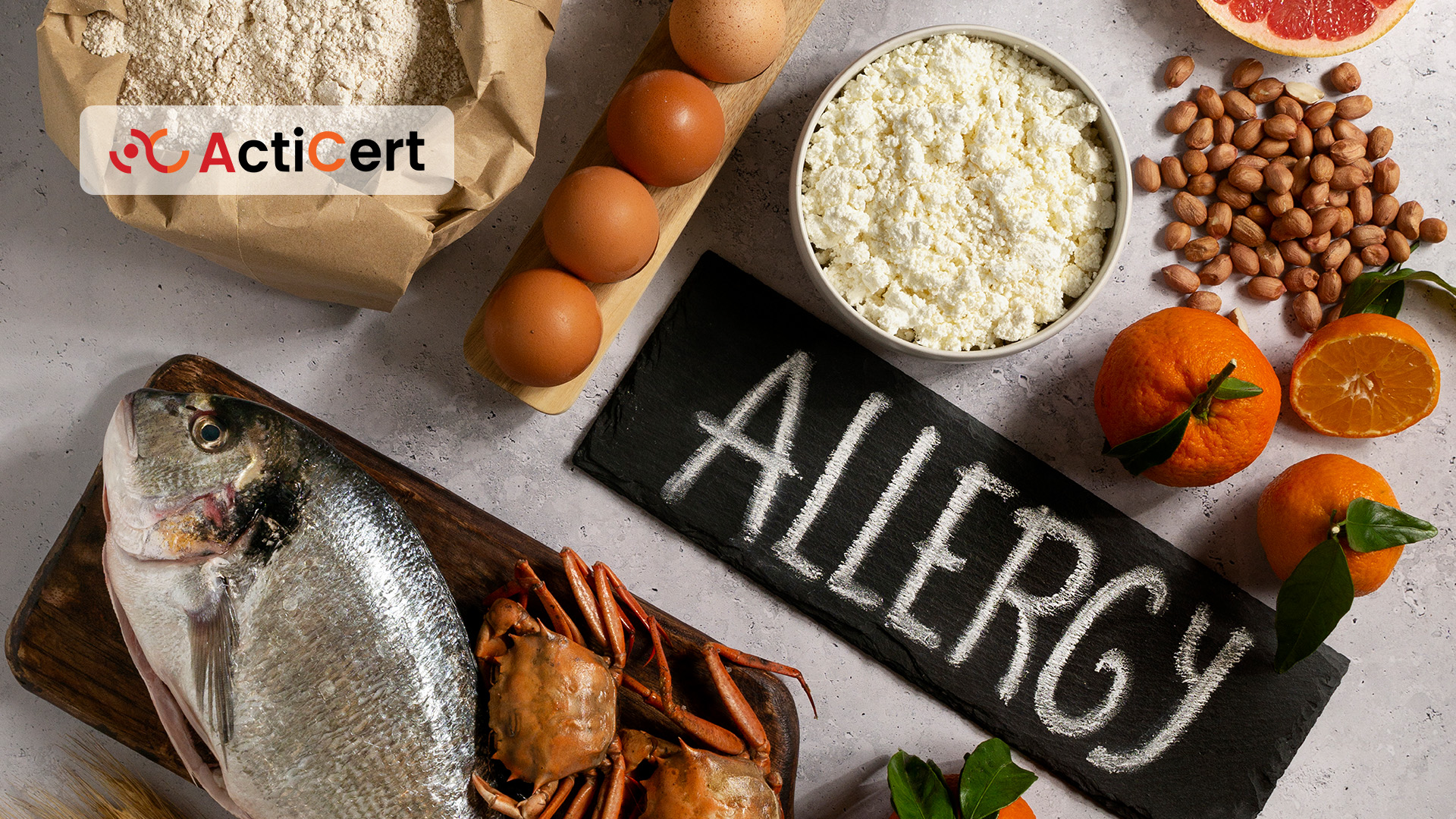
More than 170 foods have been included in the category of food allergens. Health Canada (HC), Canadian Food Inspection Agency (CFIA), and other medical agencies have put eggs, milk, mustard, peanuts, crustaceans and mollusks, fish, sesame seeds, soy, sulfites, tree nuts, wheat, and triticale in the list of priority food allergens.
Let’s Talk About Eggs First:
Eggs are home to allergens. Allergens are easily found in egg white and egg yolk. Egg Allergy is considered IgE-mediated. Most individuals develop antigen-specific IgE after exposure to eggs. Genetic spread can also be a reason for this problem. Therefore, children below five years of age suffer egg allergies.
Some children outgrow this problem as they age. For those who don’t, egg allergies become a lifelong condition.
-
How To Know About Eggs In Some Products?
Eggs are an essential part of almost every food or recipe in the world. Therefore, read food labels carefully and deeply every time you buy food from the market. Don’t spend your money to buy a product that doesn’t have an ingredient list. Avoid purchasing products displaying a precautionary statement like “May contain Eggs/Contains Eggs’. It could be possible when you know some other names of eggs. Pay attention to safe food handling practices of workers at the manufacturing unit, shared production & packaging unit, retails, domestic cooks, daycares, schools, restaurants, hotels, motels, and eateries.
-
What Are Some Other Names of Eggs:
Some brands use words like albumin, albumen, conalbumin, globulin, livetin, lysozyme, ovo, ovalbumin, ovomucin, ovotransferrin, silici-albuminate, and vitellin on their product labels or ingredients list. No brand or food business is allowed to use these names without the use of the word “Egg” on their product labels. Always pay attention to cross-contamination of foods. Such a problem occurs in shared food manufacturing, production, and packaging units. Retails through shared equipment also display signs of cross-contamination of foods through bins of baked foods and baking mixes. Kitchens at home, daycares, schools, restaurants, hotels, motels, and eateries are also not untouched by this problem.
Eggs are an essential part of many food recipes. The list includes but is not limited to surimi/Kamaboko, sausage (Béarnaise, hollandaise, Newburg, tartar), salad dressings, quiche dressings, souffle, all types of pasta, egg noodles, nougats, marzipan candies, meat products that contain fillers (meatballs and meatloaf), mayonnaise, imitation meats, lecithin, fat replacers (Simplesse), egg and fat substitute, creamy desserts (Custards, meringues, and puddings), battered and fried foods/products and baked goods, bread and baking mixes.
Many foods and beverages like Alcoholic cocktails, drinks (eggnog and whiskey sours), Fish mixtures (surimi is commonly used in imitation crab and lobster), foam and milk toppings used on coffee, Homemade root beer mixes, malt-drink mixes, icing, glazes, Meat products with fillers (pre-prepared hamburger patties, hotdogs, meatballs, meatloaf, and cold cuts) broths and bouillons, and soups are a rich source of egg and chicken protein. Even Craft materials, Hair-care products, Medications, and some vaccines containing eggs are non-food sources of eggs.
Why Is Milk a Priority Allergen In Canada?
Milk food allergies and allergens can be life-threatening. This is the reason milk is a priority food allergen in Canada. The abnormal reaction of your immune system to milk products is the reason for it.
Many people are lactose intolerant. Their body struggles to digest a particular milk component. The inability of your body to produce a specific that breaks down lactose. Those who are lactose intolerant display symptoms like abdominal pain, bloating, and diarrhea after milk ingestion. It is not considered an allergy. It is not life-threatening. However, you must see an allergist if you are unsure whether you have a milk allergy or lactose intolerance. His/her wealth of experience and knowledge will help you get well soon.
The source of milk may or may not make any difference. It depends on your allergy type and level. The type of proteins found in cow’s milk resemble proteins found in the milk of buffalo, deer, goats, and sheep. Therefore, we suggest you see an experienced allergist before you consume products manufactured using goat/sheep/buffalo and deer milk.
The product size hardly matters! But the brand name matters! This is because all brands manufacture their milk products using different formulations.
Therefore, the quality and nature of ingredients included in it also matter a lot. You must understand this to avoid food allergies and allergens from milk products.
It could be possible when you know the following:
-
Some more names of milk.
-
Sources of milk (Common, other, and non-milk sources).
-
Food and products manufactured using milk.
-
Ingredients without milk protein.
Some More Names of Milk:
This natural food is known by many other names like Beta-lactoglobulin, Casein, rennet casein, Caseinate (ammonium caseinate, calcium caseinate, magnesium caseinate, potassium caseinate, and sodium caseinate), Delactosed or demineralized whey, Hydrolyzed casein, Lactalbumin and lactalbumin phosphate, Lactoferrin, lactoglobulin, and Whey and whey protein concentrate.
Sources Of Milk (Common, Other, And Non-Milk Sources):
Things like butter, buttermilk, cheese, curds, cream, ice cream, ghee and butter fat, kefir (milk drink), kumiss (fermented milk drink), sour cream, and yogurt are some common sources of milk.
Things like Canned tuna (Seasoned or mixed with other ingredients for flavor), candy, fruit, and granola bars (That contain caramel or chocolate), flavored coffee, coffee whitener, non-dairy creamer, french fries (Made using mashed potatoes or a mixture of potatoes), hot dogs, deli, processed meats, nougats, seasoned chips (Sour cream and onion), waxes applied on fresh fruits and vegetables), are other sources of milk.
Cosmetic products, medications, and pet foods are non-food sources of milk.
Calcium/sodium lactate, calcium/sodium stearoyl lactylate, cocoa butter, tartar cream, and oleoresin are some ingredients that don’t contain milk.
Food And Products Manufactured Using Milk:
Milk is used to manufacture many foods and products like Infant baby cereals, infant formula, follow-up formula, nutrition supplements for toddlers and children, artificial butter, butter flavor or butter oil, dark chocolate, baked goods (including some types of bread), and baking mixes, battered and fried foods, broth and bouillons, caramel coloring, caramel flavoring, casseroles, frozen prepared foods, cereals, cookies, crackers, chocolate bars, desserts (Custards, frozen yogurts, ice creams, and puddings), dips, salad dressings, egg and fat substitutes, fat replacers (Opta™ and Simplesse®), glazes, gravies, sauces, high-protein flour, malt-drink mixes, margarine, pâtés, pizza, potatoes (Mashed, scalloped and instant potatoes), seasonings, soups, soup mixes, cream soups, and soy cheese.
How to Identify The Presence of Milk In Products You Buy?
There are certain ways for it. You can use these methods to identify the presence of milk in the products you want to buy or eat. For example:
-
Value information printed on labels before buying any product.
-
Stay away from food products without an ingredient list.
-
Don’t buy anything that shows warning statements like “May contain Milk/Contain Milk”.
-
Check the quality of safe food handling practices of workers at the milk product manufacturing unit, shared production & packaging unit, retail stores, family members, cooks, chefs, and handlers at daycares, schools, restaurants, hotels, motels, and eateries.
-
Pay special attention to cross-contamination of milk products. It commonly happens at milk product manufacturing, shared production & packaging units, retail outlets, your home, daycares, schools, restaurants, hotels, motels, and eateries.
How Can We Keep Mustard Out Of The List?
The government of Canada has included mustard in its list of food allergens. Mustard hails from the Brassicaceae family. Canola is also a part of the same family.
Canadian oil, low (erucic) acid (Canola), refers to the quality of seed oils. The production of this oil is possible with Canola seeds and Canola-quality mustard seeds. Canola is a highly refined oil. There is hardly any presence of high proteins in this oil.
Refined canola oil is not life-threatening for people with mustard-oil allergies. On the other hand, cold-pressed Canola oil can be life-threatening for people with mustard allergy. This is because cold-pressed canola oil is not highly refined. What is more important is that it contains residual protein.
There are multiple varieties of Brassica napus and Brassica rapa. All types of edible oils obtained from their seeds are sold as rapeseed oil in some countries. Highly refined rapeseed oils are not life-threatening for those who are allergic to mustard.
Buy cold-pressed rapeseed oils that are not highly processed and contain high amounts of residual protein. For this reason, it can be life-threatening if you are allergic to mustard.
Plant-based foods like broccoli, cauliflower, cabbage, Brussel sprouts, turnip, and canola should also be avoided if you are allergic to mustard. Their seeds contain a very high amount of residual protein and are not refined. Therefore, avoid seeds and sprouted seeds of plants that belong to this Brassicaceae family.
The size of the products doesn’t matter. What matters the most is the list of ingredients and safe food handling practices used to manufacture the product.
-
Read labels before buying any product.
-
Stay away from food products without an ingredient list.
-
Don’t buy anything that shows warning statements like “May or may not contain Mustard oil/Cold-pressed Canola, Brassicaceae family plant seeds/sprouted seeds”.
-
Check the quality of safe food handling practices of workers at the mustard product manufacturing unit, shared production & packaging unit, retail stores, family members, cooks, chefs, and handlers at daycares, schools, restaurants, hotels, motels, and eateries.
-
Pay special attention to cross-contamination of mustard products. It commonly happens at mustard product manufacturing, shared production & packaging units, retail outlets, your home, daycares, schools, restaurants, hotels, motels, and eateries.
It will be possible once you know the following:
-
The list of mustard-rich foods and products.
-
Sources of mustard.
-
The List Of Mustard-Rich Foods And Products:
Foods or products like condiments, salad dressings (vinaigrettes and crudités), spices, flavouring or seasoning, sauces (Barbecue, curry, Cumberland, ketchup, tomato sauces, béarnaises, mayonnaises, pesto, vinaigrettes, gravies, marinades), curries, chutneys, pickles, pickled products, vegetables using vinegar, dehydrated soups, processed meat (Sausages, salami etc.), hamburgers/steakettes, many fast food products, and potato salad are mustard-rich foods and products.
Some appetizers, dehydrated mashed potatoes, baby/toddler prepackaged food, and sprouted seeds are some rich sources of mustard.
What Makes Peanuts A Priority Allergen in Canada?
Many people love to eat peanuts. Many food brands in Canada include peanuts in their product formulation. The government of Canada has put peanuts on its list of top-priority food allergies and allergens for several reasons.
-
Some peanut allergies can be lifelong.
-
Peanuts are a complex plant food.
-
Peanuts are protein-rich. More than thirty different types of proteins are found in peanuts.
-
The list of proteins that trigger allergic reactions is still not known.
-
Breathing in particles of protein found in peanuts may cause allergic reactions.
-
The lack of early childhood exposure to peanuts is increasing the cases of peanut allergy.
-
Even a small amount of peanuts is enough to trigger health issues.
-
High amounts of proteins in cold-pressed peanut oils can trigger mild or severe allergic reactions.
-
Cold-pressed oils used to cook peanuts also cause an allergic reaction.
-
Proteins in peanut oils and products cannot be removed through heating.
Highly refined peanut oils don’t trigger allergic reactions. This is because the refining process reduces the amount of protein in the oils. In some cases, the refining process removes the presence of proteins from the oils.
Knowledge about the process of identifying the presence of peanuts in products or foods can help you purchase appropriate peanut oil or products. It could be easy if you have appropriate knowledge about the following:
-
Some more names of peanuts.
-
Products or foods that contain peanuts.
-
Food sources of peanuts.
-
Non-food sources of peanuts.
-
How to identify the presence of peanuts in food products.
-
Is there any connection between Lupin and Peanut allergy?
Some More Names Of Peanuts:
Arachis oil, beer nuts, goober nuts, goober peas, ground nuts, kernels, mandalas, Nu-Nuts™, nut meats, and valencias are some more names of peanuts. Some food brands use these names for their products.
The use of the word peanut is mandatory for them on their label. The mention of a complete list of ingredients, food allergens, gluten sources, and added sulfites on their product labeling is also mandatory for all food brands in Canada.
Products Or Foods That Contain Peanuts:
Many Asian, Thai, Indonesian, Vietnamese, Indian, and Chinese foods and products contain peanuts. Foods like satay, curries, crushed peanuts as a topping, spring rolls, Szechuan sauce, and egg rolls contain peanuts.
Food Sources Of Peanuts:
Food brands commonly include peanuts in almond & hazelnut paste, marzipan, nougat, baked goods, chilli, cereals, desserts, Dried salad dressings, soup mixes, icing, glazes, snack foods, trail mixes, and vegetarian meat substitutes. These are some food sources of peanuts.
Non-Food Sources Of Peanuts:
Stuffing in toys, Mushroom growing medium, Craft materials, medications, vitamins, cosmetics, sunscreens, ant baits, bird feed, mouse traps, pet food, and bedding are some non-food sources of peanuts.
How To Identify The Presence Of Peanuts In Food Products.
Look for alternative names for peanuts on the product labels. These alternative names have been mentioned earlier.
You must read product labels deeply and carefully every time you go shopping. Remember, all brands must display warning signs or statements like “May Contain Peanuts or lupin/ Contains Peanuts or lupins” to help consumers make the right decision.
Avoid spending your money on eating or buying foods or products that mention all the names of peanuts given above.
Don’t buy or eat peanut products or foods that don’t have the list of ingredients on their label.
Don’t ignore cross-contamination of peanut products and foods at shared food manufacturing, production, and packaging units. Retail stores, kitchens at home, daycares, schools, restaurants, hotels, motels, and eateries also face the problem of peanut food and product cross-contamination.
The size of the peanut product does not matter at all. Even a small amount of peanuts in any product is enough to trigger allergic reactions.
Is There Any Connection Between Lupin And Peanut Allergy?
Lupin and peanuts belong to the same plant family. Therefore, peanut-allergic individuals may react to lupin.
A high risk of clinical cross-reaction with lupin among peanut-allergic individuals is usually higher than other legumes. Most peanuts allergic individuals report lupin allergic reactions.
Some Canadian foods and products contain lupin flour and other lupin ingredients. Their presence is mentioned in the ingredients list.
Crustaceans And Mollusks Are Also A Food Allergen:
Crustaceans are aquatic creatures. They don’t have backbones. Jointed legs and hard shells are also their specialties. Crabs, crayfish, lobsters, prawns, and shrimps are crustaceans people love to eat in Canada.
Mollusks are freshwater and marine environment creatures with a hinged two-part shell. Clams, mussels, oysters and scallops, octopuses, snails, Abalone, clam, cockle, conch, limpets, periwinkle, quahaugs, shellfish, and squids are mollusks commonly eaten in Canada.
These seafoods are on the list of priority food allergens of Health Canada. These two types of seafood easily trigger allergies among adults. For this reason, more adults are allergic to crustaceans and mollusks than young children.
You can keep the trouble at bay with attention to the following points:
Those who are allergic to one type of seafood may not be allergic to other seafood. For example, some people eat and digest fish without any trouble. But seafood like crabs and lobsters put their health in danger. Exceptional cases in the form of people allergic to both types of seafood are also present.
You do not need to eat crustaceans and mollusks to experience allergic reactions. Even cooking vapors and dishes used to present crustaceans and mollusks can also trigger allergic reactions. These cooking vapors and dishes contain proteins that trigger allergic reactions.
Tips To Know The Presence of Crustaceans and Mollusks In Foods And Products:
There are various methods to know about the presence of crustaceans and mollusks in your foods and products. For example:
-
Reading the product/food label carefully and deeply is always a good idea.
-
The products or foods you purchase must contain warning statements like “May Contain Crustaceans and Mollusks/ Contains Crustaceans and Mollusks ” to help you make the right decision.
-
Look for alternative names for peanuts on the product labels. These alternative names have been mentioned earlier.
-
You must read product labels deeply and carefully every time you go shopping. Remember, all brands must display warning signs or statements like “May Contain Peanuts or lupin/ Contains Peanuts or lupins” to help consumers make the right decision.
-
Avoid spending your money on eating or buying foods or products that mention all the names of peanuts given above.
-
Never buy products or foods that don’t have the list of ingredients on their label.
-
Pay attention to the cross-contamination of crustaceans and mollusks at the shared food manufacturing, production, and packaging units. Fish counters at retail stores where crustaceans and mollusks are displayed side-by-side also become reasons for cross-contamination.
-
Kitchens, schools, daycares, restaurants, hotels, motels, and eateries are also not untouched by this problem.
-
All workers at the shared food manufacturing, production, and packaging units, retail stores, Kitchens, schools, daycares, restaurants, hotels, motels, and eateries must have completed their food handler certification course.
-
As far as the food package or product size is concerned, it does not matter. Even a small amount of crustaceans and mollusks can trigger allergic reactions.
It will help you make the right decision once you know the sources of crustaceans and mollusks and foods and products that contain elements of these two seafoods.
Foods And Products That Contain Crustaceans And Mollusks:
Many food combinations, garnishings, and products contain crustaceans and mollusks. The list includes but is not limited to the following:
-
Fried Rice, Paella, and Spring Rolls (Food combinations).
-
Antipasto, caponata (Garnishing).
-
Alle Vongole, Marinara, oyster Sauce, fried foods, and sushi (products).
Sources of Crustaceans And Mollusks:
Fried foods (from contaminated frying oils)., dips, and spreads are rich sources of Crustaceans And Mollusks.
Non-Food Sources Of Crustaceans And Mollusks:
Compost, fertilizers, lip balms, lip glosses, pet foods, and pet beddings are non-food sources of crustaceans and mollusks.
You must consult an experienced local allergist before eating crustaceans and mollusks.
Fish:
Fish is a dietary staple in several parts of the world. North American countries record many fish allergy cases every year. Such cases are common among Canadian adults and young children. For this reason, those who are allergic to this seafood need to understand a couple of things. For example:
-
Fish is on the priority food allergens list of the Canadian government.
-
Fish oil supplements available in the market are highly refined. The refining process removes all the proteins from the fish that trigger allergic reactions. Therefore, you may not need to avoid fish oil supplements.
-
Those who are allergic to fish may or may not be allergic to crustaceans and mollusks. It depends from person to person.
-
Some people may be allergic to one type of fish. However, they may be able to eat other types of fish without experiencing any health hazards.
-
Exposure to fish proteins carried in cooking vapors and on dishes used to present fish foods can make you allergic to fish. You don’t need to eat fish for it. Many such cases have come to light recently.
-
The size of fish food or fish products does not matter at all. What matters the most is the formulation of your fish food or product. Every fish food or product has a different formulation.
The Difference Between Fish Allergy And Histamine Poisoning:
Allergy to fish protein makes an allergic person’s immune system react abnormally. It could be life-threatening. Fish allergies and histamine poisoning/scombroid poisoning are two different issues despite the similarity between their symptoms.
Histamine/scombroid poisoning happens when some species of fish (such as anchovies, mackerel, mahi-mahi, and tuna) are not handled with proper care and safety during the cooking, heating, storage, packaging, and processing. The fish gets decomposed as a result. The consumption of histamine in high doses is toxic to everyone.
Types Of Fishes Commonly Eaten In Canada:
Fishes like anchovy, basa, bass, bluefish, bream, carp, catfish (channel cat, mudcat), char, chub, cisco, cod, eel, flounder, grouper, haddock, hake, halibut, herring, mackerel, mahi-mahi, marlin, monkfish (angler fish, lotte), orange roughy, perch, pickerel (dore, walleye), pike, plaice, pollock, pompano, porgy, rockfish, salmon, sardine, shark, smelt, snapper, sole, sturgeon, swordfish, tilapia (St. Peter’s fish), trout, tuna (albacore, bonito), turbot, white fish, and whiting are food for many Canadians.
Some Fish Derivatives In Canada:
-
Caviar and Roe (Unfertilized fish eggs).
-
Kamaboko (Imitation crab and lobster meat prepared from fish).
-
Surimi (A fish used for making imitation crab and lobster meat).
-
Sushi and Tarama (Salted Carp Roe).
Foods and Products That Contain Fish:
Food combinations Fried rice, paella, and spring rolls from rolls or sauce, garnishings (Antipasto, caponata), gelatin, marshmallows, pizza toppings, Salad dressings, Sauces (Marinara/Puttanesca, Nuoc Mâm, and Worcestershire), spreads (Taramasalata), Surimi/Kamaboko and Sushi are some common foods and products in Canada that contain fish.
Even deli meats, hot dogs (from gelatin), dips, spreads, and fried foods (from contaminated frying oil) contain fish.
Non-Food Sources Of Fish:
Compost, fertilizers, Fish foods, Lip balms, lip glosses, Pet food, and pet beddings are some non-food sources of fish.
Measures To Identify The Presence of Fish In Food And Products:
There are some ways to identify the presence of fish in your food or product.
-
Read the food menu carefully every time you eat at a restaurant/hotel/motel or an eatery.
-
Read the food label carefully and deeply.
-
Never purchase fish foods or fish products without a list of ingredients.
-
Avoid purchasing fish or fish products that convey warning statements like “May contain fish/fish oil or Not for individuals with fish/histamine allergy’.
-
Pay attention to the quality of safe food handling practices of the staff at manufacturing units, shared production & packaging units, retail stores, daycares, schools, restaurants, hotels, motels, and eateries. Implements.
-
Take cross-contamination of fish, fish foods, and fish products seriously. Such a problem is common in manufacturing, shared production & packaging units, retail outlets, your home, daycares, schools, restaurants, hotels, motels, and eateries.
-
Take cross-contamination of fish, fish foods, and fish products seriously. Such a problem is common in manufacturing, shared production & packaging units, retail outlets, your home, daycares, schools, restaurants, hotels, motels, and eateries.
Seeking professional advice from a local experienced allergist is always a good idea if you are allergic to fish and are thinking about eating fish, fish foods, or fish products.
Sesame Seeds Are Also On Priority Food Allergen List
Benne, benne seed, benniseed, gingelly, gingelly oil, seeds, sesamol, sesamolina, sesamum indicum, sim, til, and tahini (sesame paste) are some more names of this priority food allergens list of Health Canada.
Foods and products like Bread (Hamburger buns, multi-grains), bread crumbs and sticks, cereals, crackers, melba toast and muesli, dips and spreads (Hummus, and chutney), food combinations (Flavoured rice, noodles, shish kebabs, stews and stir-fries), sesame oil, sesame salt (gomasio), tahini, tempeh, vegetarian burgers, snack bars (protein bars, granola bars) are made using sesame seeds.
Several baked goods, dressings, gravies, marinades, salads, sauces, soups, herbs, seasonings, flavourings, spices, vegetable pâtés, snack foods (Crackers, sesame snap bars, granola bars), and vegetable oil (may contain sesame oil) are some usual food sources of sesame seeds.
On the other hand, adhesive bandages, cosmetics, hair care products, perfumes, soaps and sunscreens, drugs, fungicides, insecticides, lubricants, ointments and topical oils, pet foods, sesame meal (Poultry and livestock feed) are some non-food sources of sesame seeds.
Steps To Identify Sesame Seeds In Your Foods And Products:
Everyone has full rights to lead a healthy life. Those who are allergic to sesame seeds also have the right to a healthy life. Even you have this right! You can exercise this right by implementing the following measures:
-
Pay attention to the food menu of restaurants, hotels, motels, and eateries while ordering food.
-
Never ignore the label of the food or product you want to purchase. Always read it! Read it carefully!
-
Stay away if you see a warning statement like “May Contain/Contains Sesame or Sesame Seeds” on the label of the food and food product you are purchasing.
-
Notice the quality of safe food handling practices of the workers of sesame seeds/foods/products manufacturing units, shared production & packaging units, retail stores, daycares, schools, restaurants, hotels, motels, and eateries. Implements.
-
Cross-contamination of sesame seeds/foods and products is a common problem in manufacturing, shared production & packaging units, retail outlets, your home, daycares, schools, restaurants, hotels, motels, and eateries. Always take it extremely seriously to safeguard your health!
-
Stay away if their staff has not completed a food handler certification course.
-
The size of food products manufactured using sesame seeds does not matter. The only thing that matters is the formulation of the food or product you are purchasing. Another thing that matters is the quality and level of your immune system to prevent allergic reactions.
Health Canada Has Declared Soy A Priority Food Allergen:
Soy is one of the biggest reasons for food allergies among infants in Canada. Most children outgrow this allergy by 10 years of age. However, some have to live their entire life with soy allergy.
Foods And Products That Contain Soy:
Soybean sprouts, bread crumbs, cereals and crackers, breaded foods, hydrolyzed plant protein (HPP), hydrolyzed soy protein (HSP) and hydrolyzed vegetable, protein (HVP), Imitation dairy food, infant formula, follow-up formula, nutrition supplements for toddlers and children, meal replacements, meat products with fillers (Burgers and prepared ground meat products), Mexican foods (Chili, taco fillings and tamales), miso, nutrition supplements, sauces (Soy, shoyu, tamari, teriyaki, Worcestershire), simulated fish and meat products (Surimi, imitation bacon bits, vegetarian burgers) stews, e.g., in gravies, tempeh, and vegetarian dishes are foods and products that are prepared using soy.
Food Based Sources Of Soy:
Foods and products like baked goods, baking mixes, beverage mixes (Hot chocolate and lemonade), canned tuna and minced hams (Seasoned or mixed with other ingredients for flavor), chewing gum, cooking spray, margarine, vegetable shortening, vegetable oil, dressings, gravies marinade, frozen desserts, milled corn, meat products with fillers, for example, prepared hamburger patties, hotdogs, cold cuts, seafood-based products, fish, seasoning, spices, snack foods (Soy nuts), soups, broths, soup mixes, stocks, soy pasta, spreads, dips, mayonnaise, peanut butter, thickening agents, and mono-diglyceride are some usual food-based sources of soy.
Non-Food Based Sources Of Soy:
Cosmetics, soaps, craft materials, glycerine, milk substitutes for young animals, pet foods, pet beddings, and vitamins are non-food-based sources of soy.
Steps To Identify Sesame Seeds In Your Foods And Products:
The government of Canada wants everyone to enjoy a healthy life. Therefore, Health Canada suggests you visit your local certified and experienced allergist before consuming soy foods and products.
At the same time, we suggest you implement the following measures also:
-
Take a good look at the food menu of restaurants, hotels, motels, and eateries while ordering food.
-
Read the label of the food or product you want to purchase. Read it fully and carefully!
-
Stay away if there is a warning statement like “May Contain/Contains Soy” on the label of the food and food product you want to purchase.
-
Pay full attention to the quality of safe food handling practices of the staff of soy foods/products manufacturing units, shared production & packaging units, retail stores, daycares, schools, restaurants, hotels, motels, and eateries. Implements.
-
Cross-contamination is another thing you must pay attention to. Never ignore it at any cost. It is a common problem in soy food and products manufacturing, shared production & packaging units, retail outlets, your home, daycares, schools, restaurants, hotels, motels, and eateries. Always report it to the concerned authorities immediately.
-
Don’t purchase if their staff has not completed a food handler certification course.
-
The size of food products manufactured using soy has no value. Only the food or product formulation matters.
Sulfites Are Also A Priority Allergens:
Sulfites are also on the list of priority food allergies and allergens in Canada. But why? You will understand it once you know the following:
What Are Sulphites?
Sulfites, also known as Sulphites, are a substance. Sulfites occur in some plants and human bodies naturally. Sulfites are regulated food additives used for the following purposes:
-
To maintain food color.
-
To prolong the shelf-life of foods and products.
-
To prevent the growth of microorganisms.
-
To maintain the potency of certain medications.
-
To bleach food starches like potatoes.
-
To produce some food packaging materials like cellophane.
Can Sulphites Be Added To Foods In Canada?
Yes, sulphites can be added to foods in Canada. The types of sulphites that be added to foods in Canada are mentioned below:
-
Potassium bisulphite.
-
Potassium metabisulphite.
-
Sodium bisulphite.
-
Sodium dithionite.
-
Sodium metabisulphite.
-
Sodium sulphite.
-
Sulphur dioxide.
-
Sulphurous acid.
Alternatively, food brands or food business owners in Canada can declare the presence of Sulphites in their foods or products using sulfites, sulphites, sulfiting agents, or sulphiting agents.
Are Sulphites Safe For Consumption?
The consumption of sulfites is safe. However, some sulfites-allergic people may experience problematic symptoms like anaphylaxis and asthma.
Some More Names of Sulphites:
Many food business owners and food brands have used alternative names for sulphites on the label of their products. Food business owners and food brands in Canada are not allowed to mention alternative names like sulfites, sulphites, sulfiting agents, or sulphiting agents and codes (E 220, E 221, E 222, E 223, E 224, E 225, E 226, E 227, E 228) without the use of word Sulphites/Sulfites.
These codes are European names to refer to different types of sulphites.
Sulphite-Rich Foods and Products:
Alcoholic and non-alcoholic beer and cider, Bottled lemon and lime juices and concentrates, Canned and frozen fruits and vegetables, cereal, cornmeal, cornstarch, crackers, muesli, condiments (Coleslaw, horseradish, ketchup, mustard, pickles, relish and sauerkraut), dehydrated, mashed, peeled and pre-cut potatoes, frozen French fries, dried fruits and vegetables (Apricots, coconut and raisins, mango, sweet potato), dried herbs, spices, teas, fresh grapes, fruit fillings and syrups, gelatin, jams, jellies, preserves, marmalade, molasses, pectin, fruit, and vegetable juices, glazed and confit (candied) fruits (Maraschino cherries), starches (Corn starch, and potato starch), sugar syrups (Glucose, glucose solids, syrup dextrose, corn syrup, table syrup), tomato pastes, pulps and purees, vinegar, wine vinegar, and wine are some foods and products that contain sulfites.
Some Other Sources of Sulphites Products:
Deli meats, hot dogs, sausages, dressings, gravies, guacamole, sauces, soups, soup mixes, fish, crustaceans, mollusks, granola bars (Especially with dried fruit), noodle and rice mixes, snack foods (Raisins, and fruit salad), soy products, and baked goods that contain dried fruits are some other sources of Sulphites.
Non-food Sources of Sulphites:
Bottle-sanitizing solutions for home brewing and cellophane are non-food sources of sulphites.
Measures To Identify The Presence Of Sulphites In Food And Products
Every Canadian deserves to enjoy a healthy life. Therefore, Health Canada firmly advises everyone to visit a local certified and experienced allergist before consuming sulfite-rich foods and products.
You can implement the following tips to identify the presence of sulfites in your foods and products:
-
Go through the menu of restaurants, hotels, motels, and eateries carefully before ordering food.
-
Always pay full attention to the label of the food or product you want to buy.
-
Don’t buy a product or food that contains a warning statement like “May Contain/Contains Sulphites ” on the label.
-
Value the quality of safe food handling practices of the staff of manufacturing units, shared production & packaging units, retail stores, restaurants, hotels, motels, and eateries.
-
Cross-contamination is a serious problem. Do not ignore it under any circumstances. Such a problem commonly happens in food and product manufacturing, shared production & packaging units, retail outlets, restaurants, hotels, motels, and eateries. Always report it to the concerned authorities immediately.
-
Avoid purchasing your food or products from them if their staff has not completed a food handler certification course.
-
Only the product formulations matter. Product size does not matter.
Tree Nuts Are Also On The List:
That’s right! Health Canada has included several tree nuts in its list of priority food allergies and allergens. The list contains tree nuts like almonds, Brazil nuts, cashews, hazelnuts, macadamia nuts, pecans, pine nuts (pignolias), pistachio nuts, and walnuts. Peanuts are also on the list. However, peanuts are from the legume family. Therefore, peanuts are not tree nuts.
Health Canada has taken this step because peanuts affect individuals allergic to tree nuts. Some people are allergic to multiple tree nuts. Therefore, a visit to a local certified and experienced allergist is firmly advised if you are also one of those.
Some people manage to outgrow their allergy to tree nuts with the help of an experienced and certified allergist. Here is another thing you must know about it.
The government of Canada does not include coconuts and nutmeg in the category of tree nuts for food allergies and allergens labeling in Canada. For this reason, coconuts and nutmeg are not restricted in the diet of Canadians allergic to tree nuts. However, some exceptional cases have been noticed. Some people allergic to tree nuts have reported allergic reactions after eating coconut and nutmegs or foods or products that contain coconut and nutmegs.
Some More Names of Tree Nuts In Canada:
Food business owners and food brands used to write alternative names of coconut and nutmegs on the labels of their products. They will have to mention coconut and nutmeg words on the labels of their products and foods. It is because the government of Canada wants you to understand the presence of food allergens, gluten sources, and added sulfites in your foods and products. The government of Canada wants you to make the right decision for your health. Listed below are some more names of coconut and nutmeg food business owners and brands still used in Canada:
-
Anacardium nuts (A name for cashew nuts).
-
Filberts (A name for hazelnuts).
-
Nut meats (Refers to any nuts).
-
Pignons.
-
Queensland nuts (Macadamia nuts).
Foods That Contain Coconut And Nutmegs:
Baked goods, granola bars, Calisson, dishes (Almond chicken, pad thai, satay, chili, and trout amandine), gianduja and giandula (chocolate blended with hazel nuts), marzipan (An almond paste), tree nut oils (Unrefined or partially refined tree nut oils like cold-pressed oils), pralines, cocoa-based and/or nut-based spreads (Almond paste-based spreads, chocolate nut spreads), nougat (sugar paste made with nuts like Torrone), dairy-free imitation cheese products made from tree nuts, mortadella (A type of Italian sausage that may be flavored with pistachio nuts), and vegetarian dishes contain coconut and nutmegs.
Food Based Sources of Coconut And Nutmegs:
Baking mixes, cereals, crackers, muesli, barbecue, pesto sauces, dressings, gravies, flavored coffees, frozen desserts, liqueurs (Amaretto and Frangelico), natural flavorings and extracts (Pure almond extract), Salads (Waldorf salad), and Snack foods like trail mix are some food-based sources of coconut and nutmegs.
Non-food sources Of Coconut and Nutmegs:
Bean bags, kick sacks/hacky sacks, bird seeds, cosmetics, hair care products, sunscreens, massage oils, and pet foods are some non-food sources of Coconut and nutmeg.
How To Identify The Presence of Coconut And Nutmegs In Your Foods And Products?
It could be easy if you implement the following tips:
-
Read the menu of restaurants, hotels, motels, and eateries thoroughly every time you eat food outside with family, friends and colleagues.
-
Never forget to read the label of the food or product you want to buy.
-
Don’t buy a product or food that contains a warning statement like “May Contain/Contains Coconut and Nutmeg” on the label.
-
Pay full attention to the quality of safe food handling practices of the staff of manufacturing units, shared production & packaging units, retail stores, restaurants, hotels, motels, and eateries.
-
Never ignore cross-contamination. It is a serious problem. It commonly happens in food and product manufacturing, shared production & packaging units, retail outlets, restaurants, hotels, motels, and eateries. Report it to the concerned authorities immediately.
-
Never purchase your food or products from them if their staff has not completed a food handler certification course.
-
Value food or product formulations over the size.
Wheat And Triticale Are Also on the list:
Wheat and Triticale are on the list of Health Canada’s priority food allergens. Food-dependent exercise-induced anaphylaxis is linked to wheat. Other foods also trigger this life-threatening allergic reaction. Those who exercise after eating a specific food allergen experience anaphylaxis. Those who delay their exercise by several hours don’t face this condition. The development of celiac disease is another problem among those who are allergic to wheat.
The DIfference Between Wheat Allergy and Celiac Disease:
Abnormal reactions to wheat proteins by a person’s immune system cause wheat allergies. Such a situation can be life-threatening for a person.
Celiac disease causes immune-mediated damage to the lining of the small intestine. The damage prevents the body from absorbing nutrients. This situation leads to problems like anemia, chronic diarrhea, weight loss, fatigue, abdominal cramping, bloating, and eventually malnutrition.
Most infants outgrow wheat allergy within five years. On the other hand, adults have to live with it throughout their lives.
What is Triticale?
Triticale is a hybrid grain. It is a combination of wheat and rye. It is not available for sale. Those who are allergic to wheat must avoid triticale also.
It can be possible once you know the following:
-
Some more names are used to refer to wheat.
-
The list of foods and products wheat is found or used in.
-
Possible food-based sources of wheat.
-
Non-food-based sources of wheat.
Some More Names Used To Refer To Wheat:
Food businesses and food brands have commonly used alternative terms to refer to wheat in the past. They are still allowed to do so in Canada with the use of the word Wheat on the label of their product. They cannot do so without using the word Wheat on their products or food labels.
Atta, bulgur, couscous, durum, einkorn, emmer, farina, fu, graham, high-gluten and high-protein flour, kamut, semolina, spelled (Dinkel, farro), and seitan are some more names of wheat.
The List Of Foods And Products Wheat Is Found Or Used In:
Many types of bread and baked goods, baking mixes, powder, batter-fried foods, veer (due to the absence of ingredient list in standardized beer, the presence of wheat does not have to be labeled in beers), cereal-based coffee substitutes (chicory, ba, gluten, host (communion, altar bread and wafers), hydrolyzed plant protein, Imitation bacon, pie fillings and puddings, sauces, e.g., chutney, soy and tamari sauce, and seasonings are made using wheat.
Possible Food Based Sources Of Wheat:
Deli meats, hot dogs, surimi, gelatinized starch, modified starch, food starch, ice cream, prepared ketchup, mustard, salad dressings, and snack foods (Crackers and cereal) are some food-based sources of wheat.
Non-Food Based Sources Of Wheat:
Cosmetics, hair-care products, medications, vitamins, modelling compounds (PLAY-DOH), pet food, pet bedding, and wreath decorations are some non-food-based sources of wheat.
How To Identify The Presence of Wheat And Triticale In Your Foods And Products?
Wheat and Triticale are an ingredient of almost every food and product in Canada. Some tips below can help you identify the presence of Wheat and Triticale in your food and products.
-
Pay attention to the menu of restaurants, hotels, motels, and eateries you visit to enjoy food with your family, friends, and colleagues.
-
The label of food or product you purchase contains all the necessary information you need. Therefore, read it carefully.
-
The label of some products shows a warning statement like “May Contain/Contains Wheat and Triticale”. Never buy such products.
-
The quality of safe food handling practices matters. Pay attention to the implementation of this aspect. Never buy if the staff of manufacturing units, shared production & packaging units, retail stores, restaurants, hotels, motels, and eateries ignore this aspect.
-
Never ignore any case of cross-contamination in front of your eyes. This serious mistake commonly happens in food and product manufacturing, shared production & packaging units, retail outlets, restaurants, hotels, motels, and eateries. Call concerned authorities immediately if you notice any incident of cross-contamination anywhere.
-
Avoid purchasing foods or products from them if their staff has not completed a food handler certification course.
-
You should value learning about food or product formulations over the size. The size does not affect your health. But food or product formulation affects your health for sure.
-
Health Problems Food Allergies And Allergens Cause
Those who are allergic to any food items face several health problems. The list includes skin issues (Hives, Itching, Swelling Of Body Parts), Gastrointestinal Problems (Nausea, Vomiting, Diarrhoea and Abdominal Pain and Cramps), Respiratory Issues (Nasal Congestion, Runny Nose, Sneezing, Coughing, Wheezing, Shortness Of Breath, and Anaphylaxis), Cardiovascular Problems (Lightheadedness, Dizziness, Weak Pulse, Shock With Drop In Blood Pressure, and Anaphylaxis), Oral Allergy Syndrome (Itching and Swelling Of Mouth, Throat And Lips), Asthma, Sensitization, Urticaria, Idiopathic Reaction, anxiety, Sense Impending Of Doom, Headache, Uterine Cramps, Metallic Taste, and Anaphylaxis ( A Life-Threatening and Systemic Allergic Reaction That Affects Multiple Organs).
These are some food allergens risks every food industry professional and business owner should know about.
-
Is The Government of Canada Doing Anything About Priority Food Allergies And Allergens?
The government is firmly committed to dedicating its wealth of resources to safeguarding the health of all Canadians. The quality of the government’s efforts to provide Canadians with the authentic information they need to make safe and healthy decisions speaks volumes about it.
Health Canada and the Canadian Food Inspection Agency (CFIA) are assisting the Canadian government on this front. CFIA is responsible for the following:
-
Enforcing Canadian labeling laws.
-
Working closely with associations, distributors, food manufacturers, and importers.
CFIA makes sure they follow all Canadian labeling laws fully and safely. The agency encourages all food business owners and brands to develop strong allergies and allergen controls. The purpose is to ensure the prevention of the following:
-
The occurrence of undeclared allergens.
-
The occurrence of cross-contamination incidents.
The Canadian Food Inspection Agency (CFIA) has helped food business owners and brands develop strong food allergies and allergens controls. The agency establishes communication with Health Canada and situation assessment requests after learning about potential health hazards like food allergies and allergens associated with food.
The government recalls food from the market immediately if a serious health risk is identified. A public warning is also issued. The government has published several advisories for industries and consumers about food allergies and allergens through the Canadian Food Inspection Agency.
Health Canada (HC) has worked closely with the following:
-
Medical community.
-
Consumer associations.
-
The food industry.
All the perseverance has been done to enhance labeling regulations for the following in pre-packaged food sold in Canada.
-
Food allergens.
-
Gluten sources.
-
Added sulphites.
What is more important is Health Canada (HC) has amended the following:
Food and drug regulations.
Health Canada has taken this initiative to ensure the mention of the most common or severe food allergic reactions on the labels of foods and products. The purpose is to help consumers recognize safe and healthy foods and products and make informed decisions.
-
Safe Food Handling Methods To Control Food Allergen Risks:
There is no treatment for allergies in the world. However, there are some ways to control this root cause of many health issues. Take a look below:
The Development Of Allergen Management Program:
The development of such a program is an extremely effective method to avoid several issues. For example:
-
Unintentional spread of allergens.
-
Unintentional cross-contamination of foods.
-
Food recall prevention.
-
Protection of customers’ health.
The size of the food preparation, storage, and packaging facility determines the quality of this program for your food business.
The process of effective food allergies and allergen management programs includes attention to several essential steps. Given below is their list:
-
Supplier information.
-
Production and plant scheduling.
-
Product flow evaluation.
-
Labelling.
-
Housekeeping and sanitation practices.
-
Value food shipping, receiving, safe food handling and storage methods.
-
Documentation is necessary.
-
Program evaluation matters.
-
Employee training through a food handler certification course matters.
A visit to an experienced allergist can help reduce the impact of food allergens and allergies. Allergen assessment should be made an essential part of a hazard analysis program. Provide food facilities with a list of all ingredients used in your food item. The list includes but is not limited only to the following:
-
Food additives.
-
Spices.
-
Flavors.
-
Colorings.
-
Allergens from known groups of allergens.
-
Anything that needs special attention or measures.
Supplier Information:
All food suppliers deserve to know everything that conveys them all the key information. For example:
-
Ingredient specification sheets.
-
Certificates of analysis.
-
Complete list of ingredients.
-
Documentation of food allergies and allergens risk control program.
-
Letter that guarantees ingredients free of undeclared allergens in your materials.
Production And Plant Scheduling:
Food production and plant scheduling could be a great way to prevent or reduce food allergies and allergen risks in many ways. For example:
-
Prefer the use of equipment dedicated to allergic products.
-
Use production lines specifically dedicated to allergic products.
-
Prefer to hire safe food handling certificate holders.
-
Plan production of products with allergens on specific days of the week.
-
Produce products with allergens as the last product on the line.
-
Prefer the production of foods without allergens as a priority.
Product Flow Evaluation:
Product flow evaluation is important throughout the production cycle. Check every product passing through the conveyor belt. Remove all products with allergens or cross-contaminated products. It will help ensure the safe product flow needed to reduce food allergies and allergens.
Labelling:
Labelling is an important part of food allergen management programs in Canada. CFIA and HC collectively make efforts to make accurate labelling of all food products necessary for all food business owners and food brands. Providing accurate information about the ingredients present in the food, including allergens, is mandatory. Food brands or businesses that don’t ensure accurate labelling of their products face severe consequences for their negligence. The Food And Drugs Regulations Act deserves credit for it.
Housekeeping And Sanitation Practices:
Housekeeping and sanitation practices matter a lot. All the housekeeping (cleaning) and sanitation equipment must be inspected to detect the presence of allergens on all the food items, machines, and inside the storage facilities. Perform inspection before the production of new products begins.
Always describe the housekeeping (cleaning) and sanitation procedure if the equipment used for the production of allergen and allergy-risk-free food is shared. Pay full attention to the equipment that comes in contact with the food having allergens.
Value Food Shipping, Receiving, Safe Food Handling And Storage Methods:
The shipping, receiving, handling, and storage of food matter to avoid cross-contamination, contact with allergens, and many other issues. All food items must be shipped and stored in their dedicated spaces to prevent cross-contamination. All safe food handling practices must be performed while receiving food items. For this reason, specific packaging for specific food items matters a lot.
Documentation Is Necessary:
Document everything your team does. Maintain a record of everything to prove that your food storage facility is taking care of everything to keep foods received allergen-free. It will also help you prove that you are doing everything to keep foods received free from cross-contamination. It will be extremely helpful during the audit process or food recall.
All food suppliers deserve to get everything that conveys them all the key information. For example:
-
Ingredient specification sheets.
-
Certificates of analysis.
-
Complete list of ingredients.
-
Documentation of food allergies and allergens risk control program.
-
Letter that guarantees ingredients free of undeclared allergens in your materials.
Employee Training Through A Food Handler Certification Course:
Your staff needs proper training to keep customers safe from food allergen risks. A trained employee knows the value of Personal Hygiene, Time and Temperature Controls, Proper Use of a Thermometer, Food Allergies and Allergens, Proper Food Storage, Cooking and Cooling Foods, Housekeeping and Sanitation, Microbiology, growth of microorganisms, and related food health concerns, and HACCP in addition to everything explained in points above.
Program Evaluation:
This is another thing you should value throughout the process. It ensures that your food allergen control program is working effectively. Conduct a routine audit of plant operations to ensure its effectiveness.
The staff should know the art of preparing allergen-free recipes. See if the recipes have changed, clear menu labelling, food recalls, allergen testing and knowledge about finding the presence of allergens in food items also matter throughout the process.